
- Main
- News and events
- SDMA Test in Dogs and Cats: What It Shows and Why It Is Important for Kidney Health
SDMA Test in Dogs and Cats: What It Shows and Why It Is Important for Kidney Health
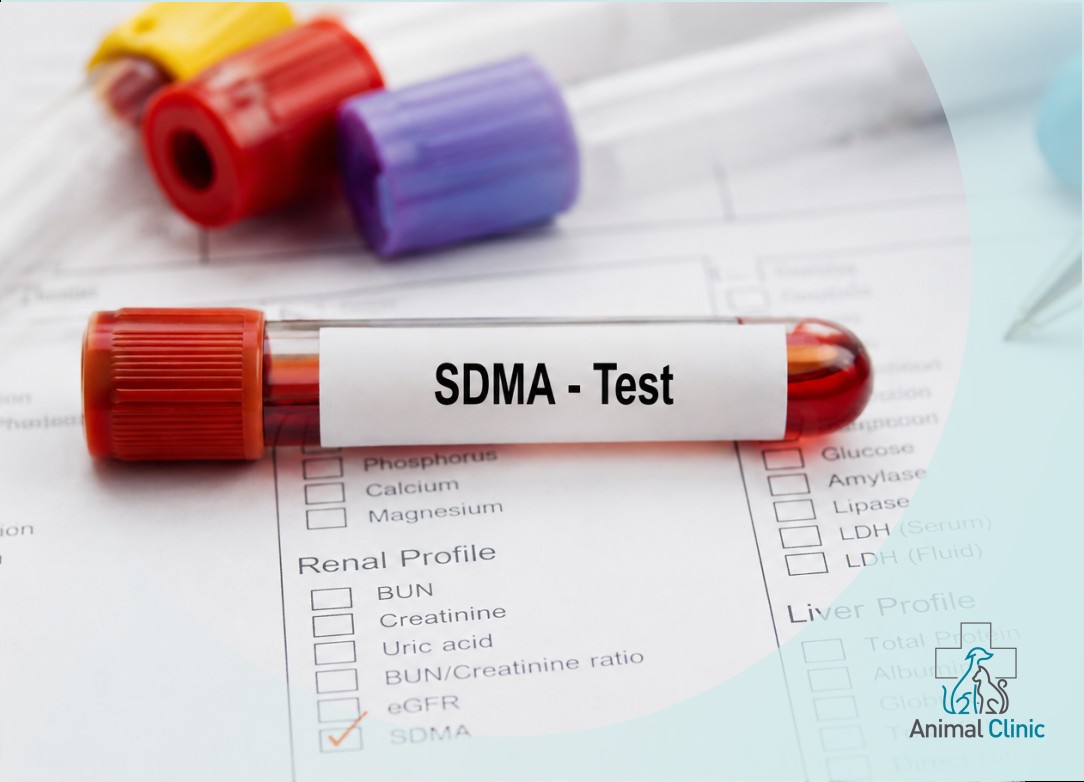
Kidney disease does not always begin with obvious symptoms. A pet may eat well, remain active and behave as usual, while changes in kidney function may already be occurring.
That is why laboratory diagnostics should not only respond to symptoms but also assess markers that can help detect a decline in kidney function earlier.
One such marker is SDMA.
What is SDMA?
SDMA, or symmetric dimethylarginine, is a substance that is naturally produced in the body during protein metabolism. It is eliminated primarily through the kidneys.
When the kidneys begin to filter blood less effectively, the concentration of SDMA may increase. This is why this marker is used to assess the glomerular filtration rate — one of the main indicators of kidney function.
Simply put: SDMA helps a veterinarian assess how well the kidneys are performing their filtration function.
How is SDMA different from creatinine?
Creatinine has remained one of the basic markers used by veterinarians to assess kidney function for many years. It is important and continues to play a role in diagnostics.
However, there is one important consideration.
An increase in creatinine may appear when the decline in kidney function has already become more pronounced. In some patients, SDMA responds to a decrease in glomerular filtration earlier. Therefore, a normal creatinine level does not always completely rule out early changes in kidney function.
There is another important difference: SDMA is significantly less affected by an animal's muscle mass than creatinine.
This is important, for example, in an elderly cat that has lost some muscle mass with age or in a thin dog after a prolonged illness. In such patients, creatinine may remain relatively low precisely because of reduced muscle mass.
Therefore, SDMA and creatinine should not be viewed as competing markers. A veterinarian obtains the most information when they are evaluated together.
Why is early assessment of kidney function so important?
In the early stages of impaired kidney function, an owner may not notice anything unusual at all.
Increased thirst, more frequent urination, reduced appetite, weight loss, vomiting, lethargy and other noticeable changes may appear later.
Therefore, the purpose of preventive examinations is not to wait until the animal begins to feel unwell.
If changes are detected earlier, the veterinarian can determine whether additional tests are needed, monitor the results over time and, if necessary, adjust the diet or prescribe treatment according to the cause and condition of the individual patient.
Which animals should have their SDMA checked?
Particular attention should be paid to kidney function in older cats and dogs. In older animals, it is important to assess not only kidney function but also thyroid function. Therefore, total T4 should be included in preventive screening: some thyroid disorders can cause symptoms similar to those of kidney disease, which is important to consider during diagnosis.
A veterinarian may also recommend an SDMA test:
- during a routine check-up;
- if the animal has started drinking more or urinating more frequently;
- in cases of unexplained weight loss;
- if appetite has decreased;
- if previous tests showed changes in kidney-related markers;
- for animals with reduced muscle mass;
- for patients with diseases that may affect kidney function;
- to monitor an animal that has already been diagnosed with kidney problems.
The need for the test and how often it should be performed are best determined together with a veterinarian, as this depends on the age, medical history and condition of the individual animal.
If SDMA is elevated, does this mean the animal has kidney disease?
Not necessarily.
SDMA is a laboratory marker, not a diagnosis on its own.
If the SDMA level is elevated, the veterinarian evaluates the result together with other information. It is important to determine whether the elevation is persistent, what other tests show, how the animal is feeling and whether additional examinations reveal any changes.
A more complete assessment of kidney function may require:
- creatinine;
- urea;
- complete blood count and blood chemistry tests;
- urinalysis;
- urine specific gravity;
- urine protein-to-creatinine ratio;
- blood pressure measurement;
- ultrasound examination of the kidneys and urinary system;
- electrolytes: potassium, calcium, phosphorus, magnesium and others.
It is the combination of these results that helps the veterinarian understand what is happening with the kidneys and determine the next steps.
What is azotemia?
This is a term that pet owners may often see in medical reports or hear during a veterinary appointment.
Azotemia is an increase in nitrogen-containing metabolic waste products in the blood, particularly urea and creatinine.
One of the benefits of SDMA is that changes in this marker may become noticeable before pronounced azotemia develops. In other words, laboratory diagnostics can draw attention to changes in kidney function earlier than would be possible by relying on creatinine alone.
Don't wait for symptoms — get your pet checked
One of the most difficult aspects of kidney disease for pet owners is that, in its early stages, it may have virtually no effect on their pet's normal daily life.
This is why preventive examinations are important even when a cat or dog appears completely healthy.
An SDMA test is available at Animal Clinic.
The veterinarian will evaluate the result not in isolation but together with other indicators and your pet's overall condition and, if necessary, recommend additional tests.
There is no need to wait until the kidneys begin to “speak” through symptoms. Sometimes laboratory tests can reveal changes much earlier.
FAQ: Frequently asked questions about the SDMA test
What does an SDMA test show in dogs and cats?
SDMA helps assess kidney function, including changes in the glomerular filtration rate. An elevated SDMA level may indicate reduced kidney function and should be evaluated by a veterinarian.
Can SDMA be elevated if creatinine is normal?
Yes. In some animals, SDMA may increase earlier than creatinine. This is why these markers should be evaluated together, especially when early changes in kidney function are suspected.
If SDMA is elevated, does it mean the animal has chronic kidney disease?
No, not automatically. A single SDMA result is not used to make a diagnosis without considering other information. The veterinarian may recommend repeating the test, performing blood and urine tests, measuring blood pressure or carrying out additional diagnostic procedures.
Why is SDMA important for older cats and dogs?
The risk of chronic kidney disease increases in older animals. In addition, animals may lose muscle mass with age, which affects creatinine levels. SDMA is significantly less affected by muscle mass and can therefore provide the veterinarian with additional information about kidney function.
Does SDMA replace creatinine?
No. These markers work best not as replacements for each other, but together. For a comprehensive assessment of kidney function, the veterinarian also considers urinalysis results, urea levels and other tests.
Should a healthy animal have an SDMA test?
A veterinarian may include SDMA in preventive screening even when there are no symptoms, particularly in older animals or patients with an increased risk of kidney disease.
What symptoms may indicate that a pet's kidneys should be checked?
You should consult a veterinarian if your pet begins drinking more, urinating more frequently, losing weight, eating less, becoming lethargic, vomiting periodically or showing changes in its general condition. However, the absence of these symptoms does not rule out early impairment of kidney function.
How often should an SDMA test be performed?
There is no universal schedule for all animals. The frequency of testing depends on age, general condition, underlying diseases and previous test results. The optimal interval should be determined by a veterinarian.
Can the stage of kidney disease be determined from SDMA alone?
No. Diagnosis and staging of chronic kidney disease require a combination of data. The veterinarian considers SDMA, creatinine, urinalysis, proteinuria, blood pressure and other clinical indicators.
Where can I get an SDMA test for my pet?
SDMA testing is available at Animal Clinic. Based on the test results, the veterinarian will help interpret them correctly and determine whether your pet requires further diagnostic testing.
How can I make an appointment at Animal Clinic?
You can make an appointment for your pet by calling (044) 333 95 63 or (067) 333 95 63, or by using the appointment form on the Animal Clinic website.