
- Main
- News and events
- How to Tell Shedding from a Health Problem
How to Tell Shedding from a Health Problem
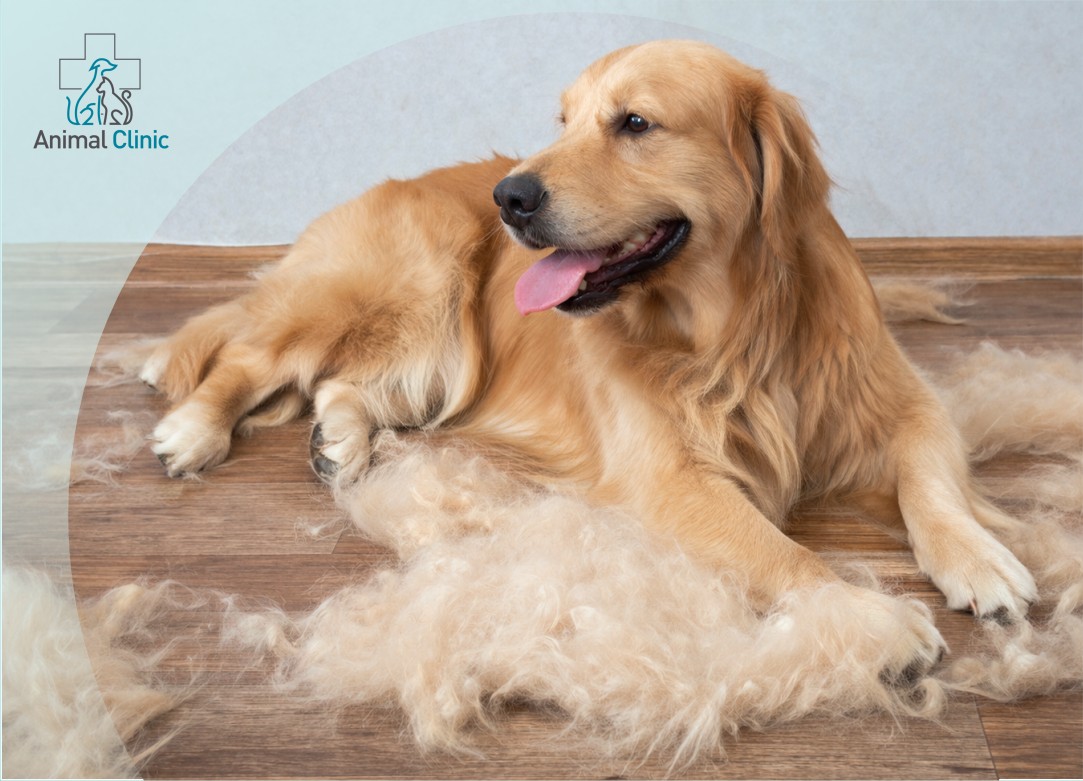
Shedding is a normal seasonal process that helps pets get rid of excess fur as the weather warms up. However, sometimes the coat condition worsens noticeably, and hair loss becomes excessive. The veterinary team at Animal Clinic explains how to tell whether your pet is simply shedding or dealing with a health issue.
Signs of Normal Shedding
Shedding is typically seasonal. If your dog or cat starts losing more fur in spring or autumn, this is usually normal. Healthy shedding is:
- Short-term (lasting a few weeks)
- Even and uniform
- Not accompanied by bald spots, as new hair grows quickly
The skin remains healthy, without inflammation or wounds, and your pet stays active, calm, and maintains a good appetite.
Signs of Abnormal Hair
If shedding is related to a medical condition, it is usually accompanied by concerning symptoms. Watch your pet’s appearance and behavior closely. Signs of a problem include:
- Hair loss in large clumps
- Dull, brittle, or dry coat
- Intense itching (frequent licking, scratching, or biting the skin)
- Lethargy and loss of appetite
- Presence of parasites or small dark particles in the fur
- Redness, wounds, crusts, or unpleasant odor
- Bald patches
- Shedding lasting longer than 3 weeks
Localized hair loss (e.g., around the eyes, ears, or paws) may indicate fungal infections or ectoparasites. Symmetrical bald areas on both sides of the body may suggest hormonal disorders.
What to Do If You Notice Warning Signs
Act promptly. Do not apply your own ointments or use antiseptics that stain the skin (such as iodine or brilliant green). If there are wounds, you can gently treat them with chlorhexidine. To prevent further skin damage from scratching, use a protective cone collar.
Bring your pet to Animal Clinic for a professional examination without bathing them beforehand. A veterinary dermatologist will perform a visual assessment and may recommend tests such as skin scrapings, blood tests, cytology, or an elimination diet to check for allergies.
Your attentiveness can make all the difference.
Recognizing the difference between normal shedding and disease is the first step, and our specialists will help identify the cause and restore your pet’s coat and overall health.