
- Main
- News and events
- How to Properly Protect Your Pet from Fleas and Ticks
How to Properly Protect Your Pet from Fleas and Ticks
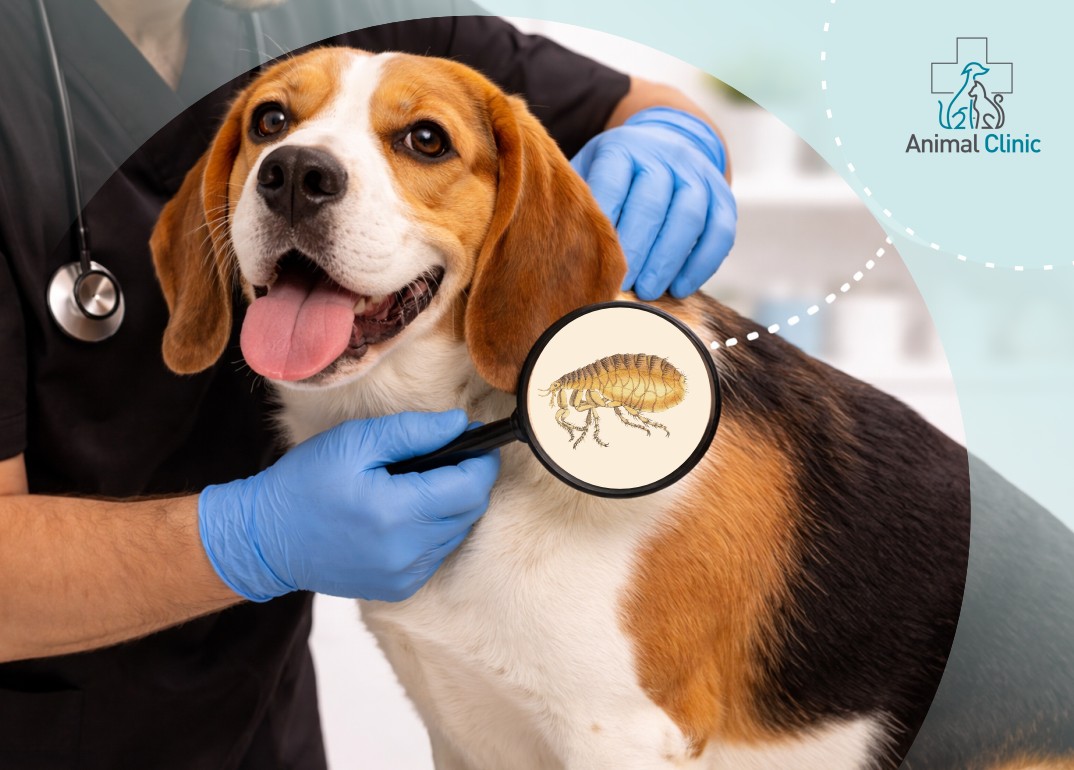
With the arrival of the first—even slightly—warm spring days, small yet highly dangerous arachnids—ticks—come out to hunt. Their saliva may carry pathogens that pose a serious threat not only to a pet’s health but also to its life. Other parasites, fleas, remain active all year round. In this article, Animal Clinic explains the risks associated with flea and tick bites and how to protect your pet.
The Danger of Blood-Sucking Parasites
Every year, veterinary clinics in Kyiv receive hundreds of cases from pet owners who suspect ectoparasites or notice the first symptoms of related conditions. Pets that spend time outdoors may become infected with diseases transmitted by ticks, such as:
- Babesiosis (piroplasmosis) – the most common condition in this category, especially among dogs. It is caused by protozoa that, once inside the animal’s body, begin to destroy red blood cells (erythrocytes). This leads to acute anemia and kidney failure, which can rapidly result in death.
- Borreliosis (Lyme disease) – affects the cardiovascular and nervous systems.
- Ehrlichiosis – impacts the immune and nervous systems as well as internal organs. It may cause neurological disorders, bleeding, and anemia. Without proper treatment, it can be fatal.
It’s important to note that even indoor cats are not completely safe from ticks, as owners can unknowingly bring them into the home on shoes or clothing. The same applies to fleas—they can enter apartments from attics or basements, as pigeons and rats often carry these parasites.
Flea bites can transmit infectious diseases to pets, including parasitic worm infestations and allergic dermatitis. Since it is very difficult to completely prevent contact with fleas and ticks, the key is to ensure that their bites do not pose a threat.
When and How to Take Preventive Measures
Ticks become active at temperatures as low as +5°C, while fleas thrive in warm entryways and sheltered areas. This means that cold weather is not a reason to delay antiparasitic treatment.
The Animal Clinic team recommends year-round prevention. The most effective method is oral tablets, as the active ingredient is not washed off the coat and works for a full month, killing parasites upon biting. A great alternative is spot-on drops, especially if you prefer not to burden your pet’s body with tablets. These are effective at repelling both ticks and fleas. Collars should be used only as an additional layer of protection.
Start Spring the Right Way!
If you suspect your pet has been bitten by a tick or is suffering from a flea infestation, contact one of the Animal Clinic branches. Our veterinary dermatologist in Kyiv and the Kyiv region will provide the necessary care.