
- Main
- News and events
- Dislocations in Dogs and Cats: How to Recognize Them and What to Do
Dislocations in Dogs and Cats: How to Recognize Them and What to Do
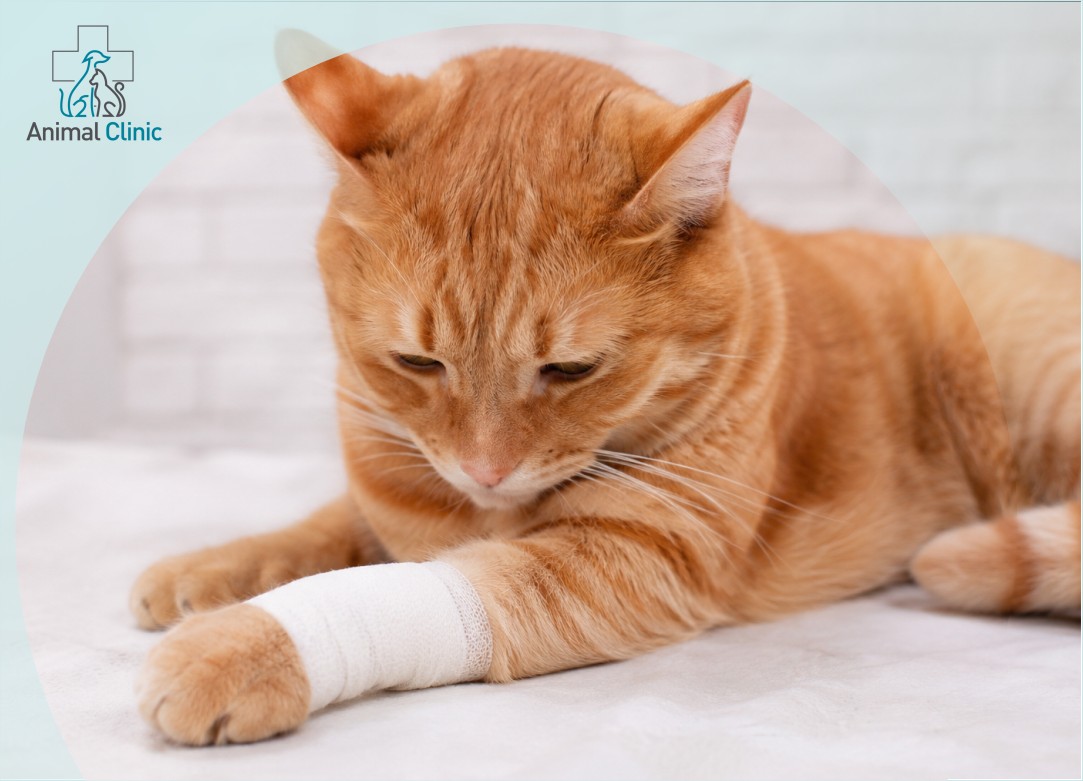
A joint dislocation happens when the bone surfaces that form a joint shift out of their normal position — this can result from a bad jump, a fall, a blow, a car accident, and similar incidents. Treatment should begin as soon as possible, since without proper veterinary care, the joint can suffer permanent damage, seriously affecting your pet’s quality of life. So how can you tell if this is what happened, and what should you do? Read on for guidance from the orthopedic veterinarian at Animal Clinic.
What Are the Signs of a Dislocation?
The signs of a dislocated leg in a dog or cat vary depending on the severity and location of the injury. Still, certain symptoms together leave little doubt:
- An unusual position of the leg.
- Sudden lameness or a complete inability to bear weight on the limb.
- Vocalizing while walking or when the affected area is touched, or aggressive behavior during examination — both signs of pain.
- Swelling in the leg.
- Limited joint mobility.
- Reduced activity or disinterest in toys.
A jaw dislocation is also possible, indicated by an inability to close the mouth, excessive drooling, a jaw that appears shifted to one side, and a protruding tongue. A tail dislocation can occur as well, causing the tail to hang limp, bend abnormally, or become immobile. Pet owners should stay alert to these signs, especially when a pet is off-leash, during training, or during active play — including play with other animals.
What to Do If You Suspect a Dislocation
If you notice any of the symptoms above that could point to a dislocation in your dog or cat, never attempt to relocate the joint yourself — one wrong movement can damage blood vessels, nerves, and soft tissue. Instead, take these careful steps:
- Keep your pet from running, jumping, or covering long distances on their own.
- Keep your pet lying down and still to prevent the injury from getting worse.
- Apply a cold compress to the injured area for 15 minutes to help ease pain and reduce swelling.
- Schedule an appointment at Animal Clinic.
Our orthopedic veterinarian will perform a clinical exam and order X-rays and any additional diagnostics needed to assess the condition of the ligaments, joints, and surrounding tissue.
What Does Treatment Involve?
There are several ways to restore normal joint function. For a fresh, uncomplicated dislocation, closed reduction is typically performed under anesthesia. If ligaments are also damaged, or if the injury is older and more complex, surgery may be necessary. Anti-inflammatory medication is often prescribed as well.
With a limb dislocation, lameness in dogs and cats usually lasts a few more weeks even after treatment. To support recovery, it’s important to give your pet plenty of rest — no strenuous activity, just a calm, comfortable place to recuperate.
Preventing Joint Problems in Dogs and Cats
Want to help your pet avoid joint problems down the road? Moderate exercise, a balanced diet, and regular preventive checkups at your veterinary clinic can go a long way toward keeping joints healthy.