
- Main
- News and events
- Spring Allergies in Dogs and Cats: How to Tell Them Apart from Parasites
Spring Allergies in Dogs and Cats: How to Tell Them Apart from Parasites
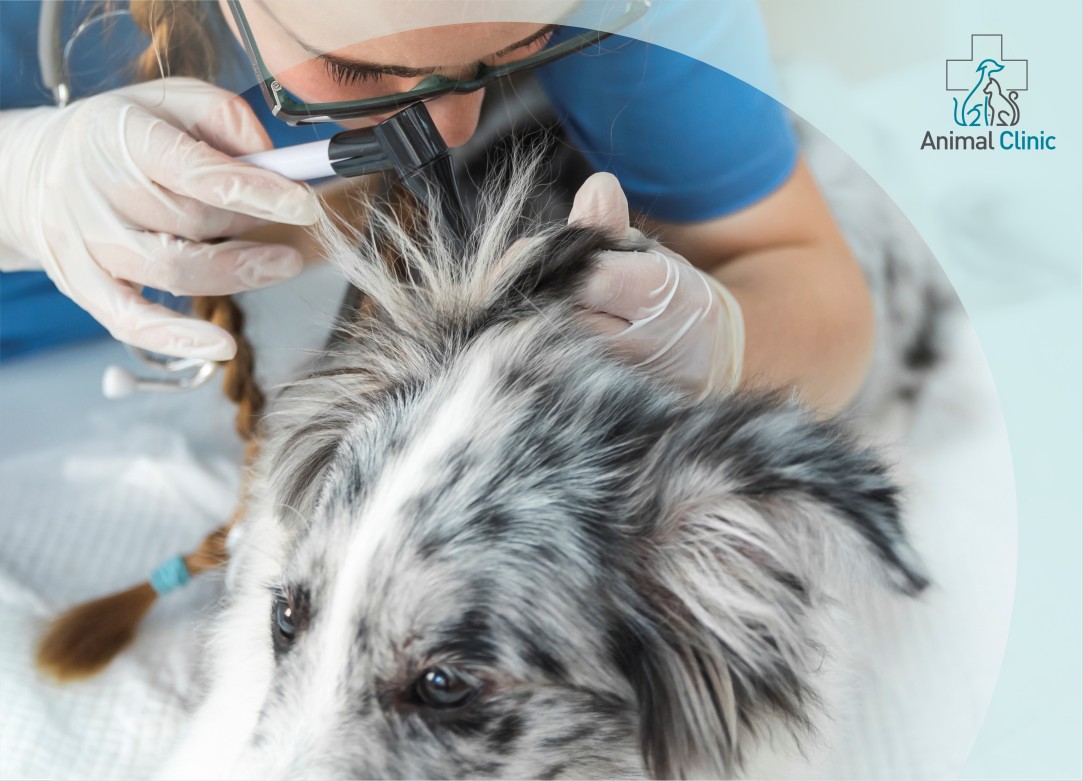
Have you noticed a pattern: as soon as spring arrives, your pet starts having health issues? These often appear as itching, redness, and hair loss. Such symptoms may indicate either seasonal allergies or the presence of skin parasites. So how can you accurately determine what your pet is suffering from? The specialists at Animal Clinic explain in detail below.
How Do Spring Allergies Manifest in Pets?
A specific reaction can occur when a pet comes into contact with allergens such as pollen, mold, or dust—common in spring. The immune response in dogs and cats often presents with the following symptoms:
- Frequent head shaking and ear scratching—often due to otitis, which can be an early sign of allergies.
- Watery eyes or other eye discharge.
- Constant attempts to scratch the body or lick the paws.
- Redness, rashes, and small wounds, especially on the abdomen and ears.
These symptoms tend to become more pronounced during the blooming season. If your pet experiences these issues every spring, allergies are a likely cause. However, assumptions are not enough—ectoparasites must also be ruled out, as they can cause problems year-round.
Signs of Fleas and Lice
Skin parasites can also cause intense itching and skin irritation. However, there are specific signs that indicate your pet may be suffering from fleas or lice:
- Visible parasites in the fur or traces of their activity in the form of small black specks.
- Red spots, scratches, and crusts around the tail, back, and neck.
- Restless behavior, sudden scratching or licking, especially at night.
If the affected areas are mainly the paws, abdomen, and ears, it is more likely to be an allergy. If redness is concentrated around the tail, neck, and back, parasites should be suspected.
What Should a Pet Owner Do?
First and foremost, avoid self-treatment. In some cases, a simple check can help: gently brush your pet’s fur against the grain over a white sheet of paper. The presence of small dark particles (flea dirt) will be clearly visible on a light surface.
For a more accurate diagnosis, bring your pet to the nearest Animal Clinic branch if symptoms persist. Do not expect allergies or parasites to resolve on their own—this will not happen. Only a proper diagnosis, confirmed through professional testing, can ensure effective and safe treatment of the underlying dermatological issue.