
- Main
- News and events
- Complications During Pregnancy in Animals
Complications During Pregnancy in Animals
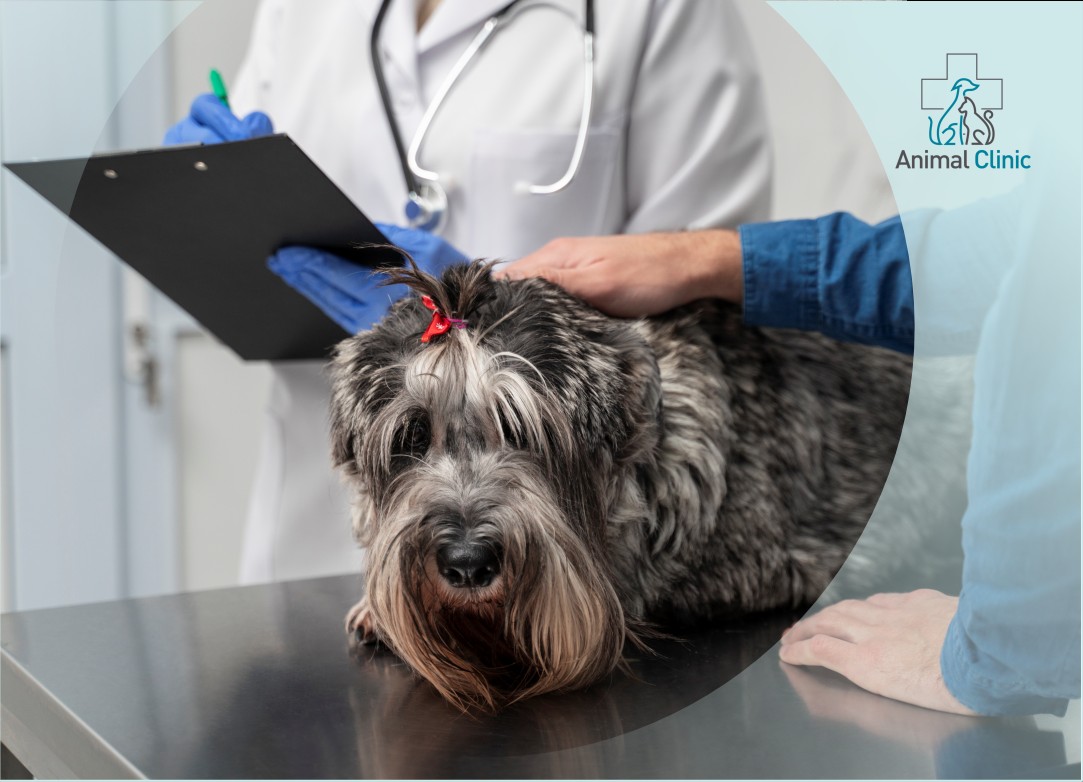
Every breeder hopes that their pet’s pregnancy will be smooth and worry-free. However, it is always better to hope for the best while being prepared for anything. This approach—especially when a veterinary reproduction specialist takes control of the situation in time—can save the life of both the mother and her offspring.
Toxicosis in Dogs and Cats: Why Can It Be Dangerous?
Nausea, vomiting, decreased appetite, and reduced activity are common symptoms of toxicosis. At the very beginning of pregnancy, this condition is usually normal. It reflects hormonal changes in the female’s body and typically passes with time.
However, every pet parent should know that toxicosis in dogs and cats can also occur in the later stages of pregnancy. This is a dangerous condition and may be accompanied by the following symptoms:
- Increased blood pressure.
- Swelling (edema).
- Shortness of breath.
- Seizures, poor coordination, or loss of consciousness.
These metabolic disturbances significantly increase the risk of heart failure, liver and kidney dysfunction, premature labor, intrauterine fetal death or stillbirth in dogs and cats, severe intoxication, and even the death of the mother.
This is one of the main reasons why pregnancy in dogs and cats should be managed with comprehensive care, close observation by the owner, and regular veterinary supervision.
Other Pregnancy Disorders in Cats and Dogs
There are several other complications that can threaten the life of the mother and her offspring:
- Implantation disorders — ectopic pregnancy or early embryonic death.
- Abnormal embryonic development — delayed growth or developmental defects in the fetus.
- Problems with the uterus or fetal membranes — pregnancy in cats and dogs may be complicated by fluid accumulation, bacterial or viral infections, purulent inflammation, uterine rupture, or placental insufficiency.
- Miscarriage — may result from infection, poor nutrition, stress, intoxication, or trauma.
- Stillbirth — loss of offspring in the late stages of pregnancy or during labor. This may be caused by fetal hypoxia, metabolic disorders, infection, trauma, genetic abnormalities, or the inability of the fetus to pass normally through the birth canal.
Prevention Is Always Better Than Treatment
Every effort should be made to prevent complications. This includes a balanced diet, regular veterinary check-ups, and careful monitoring of the animal’s condition throughout the entire pregnancy.
At any stage of pregnancy, professional veterinary advice may be necessary.
Breeder consultations in obstetrics are one of the qualified services provided by our network of veterinary centers, Animal Clinic. Contact us if your pet develops unusual symptoms or if you have any concerns during pregnancy.