
- Main
- News and events
- Paw Injuries in Dogs During Walks
Paw Injuries in Dogs During Walks
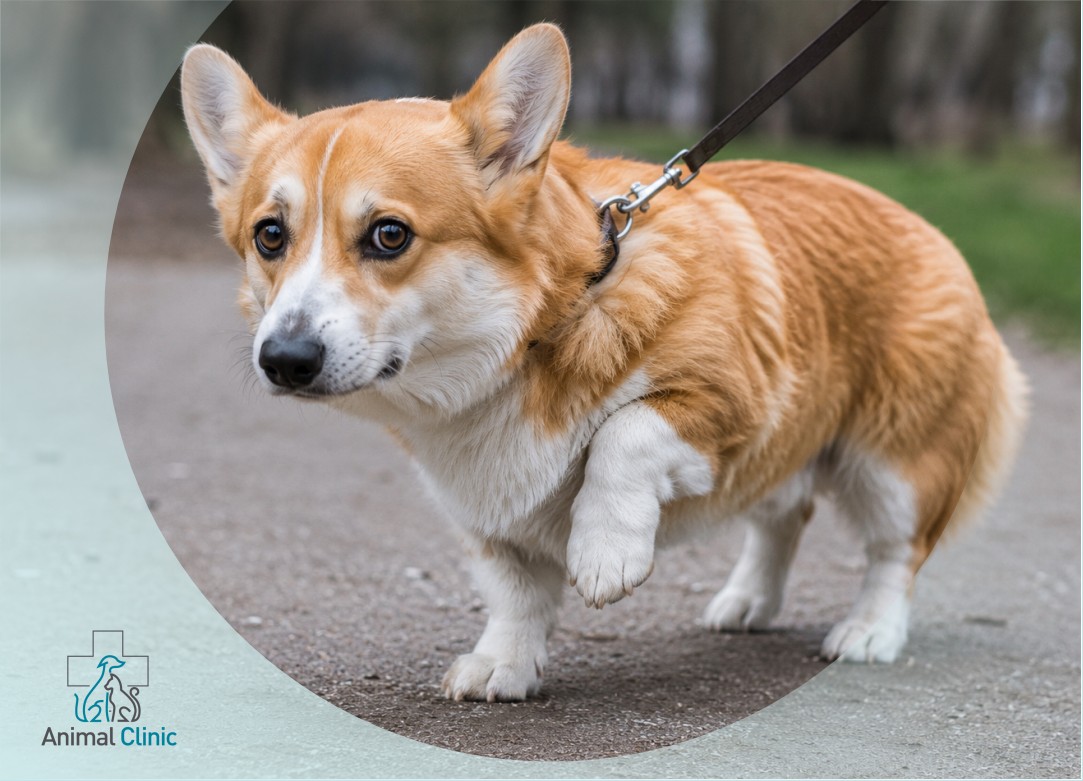
Time outdoors is one of the best parts of a dog's day. Unfortunately, that same time outside can also lead to serious injury — whether from playing with another animal or a poorly landed jump. This Animal Clinic article covers how to recognize a paw injury in your dog, provide first aid, and help prevent future injuries.
Signs of a Paw or Leg Problem
Keep a close eye on your dog during walks. Even if nothing seemed to happen, it's worth giving your dog a thorough check once you're back home. These signs can point to an injury:
- Swelling, redness, or visible blood
- Limping — which can result from a range of different injuries
- Cracks or cuts on the paw pads, or a visible foreign object like glass, a splinter, or a plant awn
Injuries aren't always easy to spot right away, especially in dogs with thick fur. That's why it's important to watch for even small changes in behavior once you're home. Restlessness, whimpering, heavy or rapid breathing, a hunched back, an unusual position of the leg or an odd posture, lethargy, or focused attention on one part of the body (biting or licking) are all reasons for a closer look.
What to Do If You Find an Injury
If you find a small wound, check whether there's anything lodged inside it. If there is, carefully remove it with tweezers. Rinse the area with clean water, apply an antiseptic, and cover it with a sterile bandage.
That's the extent of what you should try to handle on your own — don't attempt to diagnose the injury yourself. Only a veterinarian with proper diagnostic equipment can tell the difference between a ligament injury, a bruise, muscle damage, a fracture, or a dislocation in a dog.
Never give your dog human pain medication, as it can be dangerous or even toxic for pets. If you notice swelling, bleeding, exposed bone, or a grinding sound, get your dog to a veterinary clinic right away, where an orthopedic veterinarian can provide the appropriate care.
For the future, it helps to stick to parks or similar clean areas, avoid spots with litter or debris, check your dog's paws regularly, and use protective booties on hot asphalt, ice, or rough terrain. Most importantly: the sooner you recognize an injury or joint problem in your dog and head to the nearest Animal Clinic location, the easier and faster your dog's recovery will be.