
- Main
- News and events
- Cushing's Syndrome in Dogs: How to Recognize This Serious Hormonal Disorder
Cushing's Syndrome in Dogs: How to Recognize This Serious Hormonal Disorder
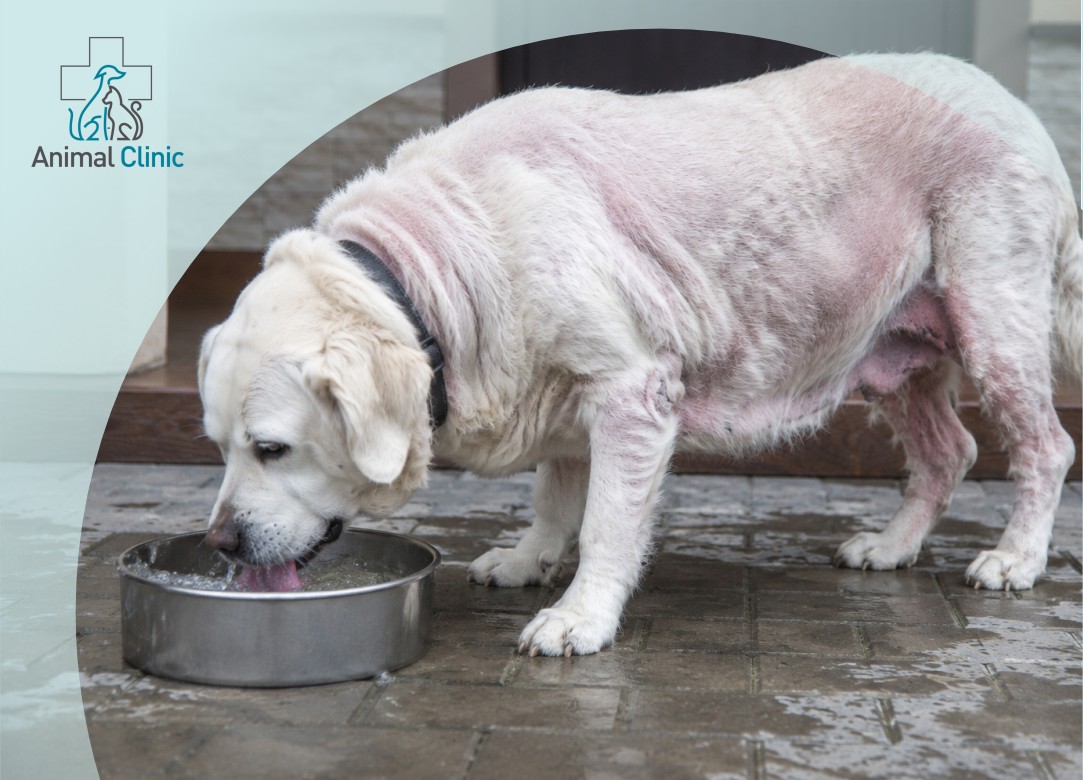
The hormone cortisol plays a vital role in the health of mammals. It regulates metabolism, helps the body respond to stress, and supports normal immune function. However, in some dogs — most commonly middle-aged and senior pets — the body begins producing excessive amounts of cortisol. This serious endocrine disorder is known as hyperadrenocorticism, more commonly referred to as Cushing's syndrome.
Excess cortisol can have damaging effects throughout the body. Pet owners should recognize the early warning signs and seek veterinary care promptly to help protect their dog's organs and overall health. Learn more about the symptoms and treatment options from the veterinarians at Animal Clinic.
Signs of Cushing's Syndrome in Dogs
In the early stages, symptoms may be subtle and easy to overlook. One of the first warning signs is often increased thirst. Dogs with Cushing's syndrome drink significantly more water than usual and, as a result, urinate more frequently.
Like many endocrine disorders, Cushing's syndrome can also cause a persistent increase in appetite. If your dog constantly seems hungry — even shortly after eating a full meal — it may be time to consult your veterinarian.
As the disease progresses, additional signs commonly include:
- Thin, fragile skin that bruises easily and is more prone to irritation and injury.
- A dull, thinning coat, particularly along the sides of the body.
- Decreased energy levels and reduced exercise tolerance.
- A pot-bellied appearance caused by chronically elevated cortisol levels, weakened abdominal muscles, and redistribution of body fat.
When diagnosed early, Cushing's syndrome in dogs can often be successfully managed. If you notice any physical or behavioral changes in your dog, schedule an examination with a veterinarian as soon as possible.
Treatment of Hyperadrenocorticism in Dogs
A thorough diagnostic evaluation is essential before treatment begins. Your veterinarian may recommend blood tests and an abdominal ultrasound to confirm the diagnosis and rule out other medical conditions.
Treatment depends on the underlying cause of the disease:
- Pituitary tumor — the most common cause, when a benign pituitary tumor stimulates the adrenal glands to produce excessive cortisol.
- Adrenal gland tumor — a tumor affecting one or both adrenal glands can produce cortisol independently of signals from the pituitary gland.
- Long-term steroid use — prolonged or excessive use of corticosteroid medications may also lead to Cushing's syndrome.
Comprehensive diagnostic testing combined with an individualized treatment plan can help dogs with Cushing's syndrome maintain an excellent quality of life. If your dog is showing any of the symptoms described above, schedule an appointment with the veterinary team at Animal Clinic.