
- Main
- News and events
- THE SURGICAL PREPARATION PROCESS
THE SURGICAL PREPARATION PROCESS
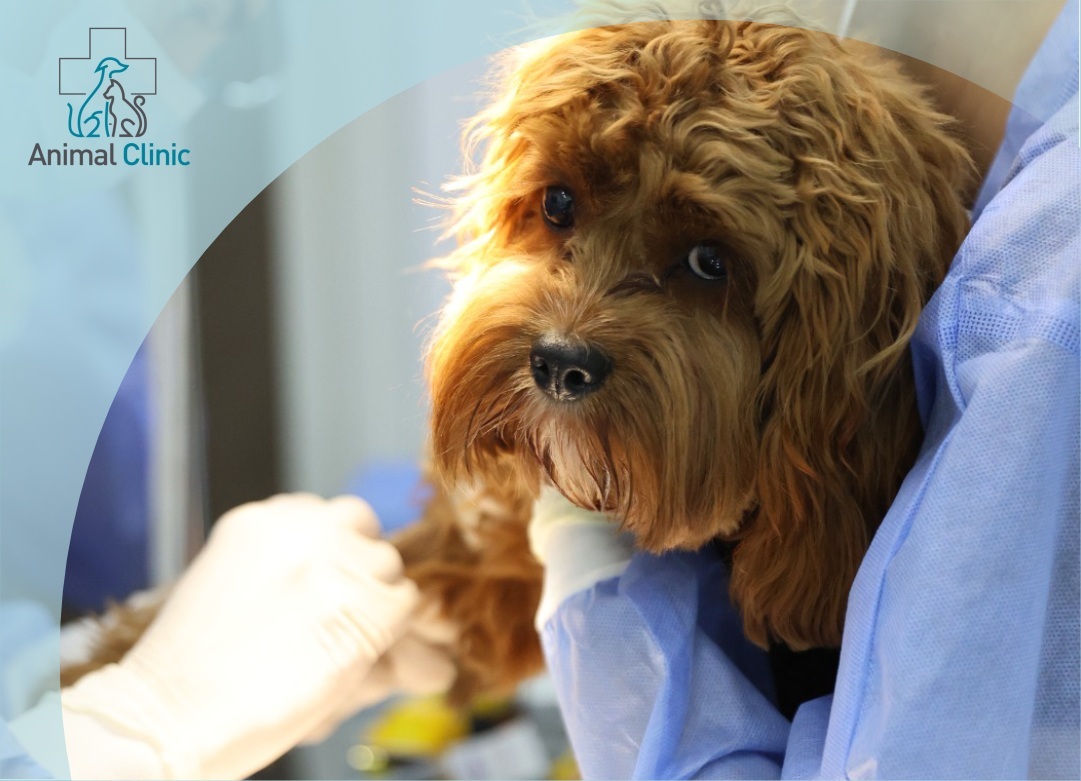
Proper preparation of a pet is the key to a successful planned surgical procedure. It helps avoid last-minute cancellations on the scheduled date and significantly reduces potential risks.
The first stage of preparation is handled by the veterinary team. A complete clinical examination is performed, along with general and biochemical blood tests. Additional diagnostic methods may be prescribed, such as chest X-rays, abdominal ultrasound, and tests for infectious diseases. The results allow the veterinarians to develop an optimal anesthesia plan.
The pet owner also plays an important role in preparation:
- 3–5 days before surgery — after consulting with a veterinarian, adjust any medications the patient takes on a regular basis.
- 24 hours before surgery — limit your pet’s physical activity.
- 8–12 hours before surgery — feed your pet; 3 hours before surgery — offer water.
- Bring your pet to the veterinary center on time: cats in a carrier, dogs on a leash and wearing a muzzle. Bring the pet’s veterinary passport and medical history with you.
Immediately before anesthesia, the specialist measures the pet’s pulse and temperature, evaluates breathing, and assesses the overall condition. The required area of skin is carefully shaved and disinfected. After the surgical procedure, the pet wakes up quickly from anesthesia, and once vital physiological parameters are stable, the pet can be discharged home. If continued veterinary monitoring is needed, hospitalization may be recommended.
Afterwards, it is essential to follow the specialist’s recommendations for the recovery period and avoid active physical activity during the first weeks of rehabilitation.