
- Main
- News and events
- Preparing for Dog Labor: What Every Owner Should Know
Preparing for Dog Labor: What Every Owner Should Know
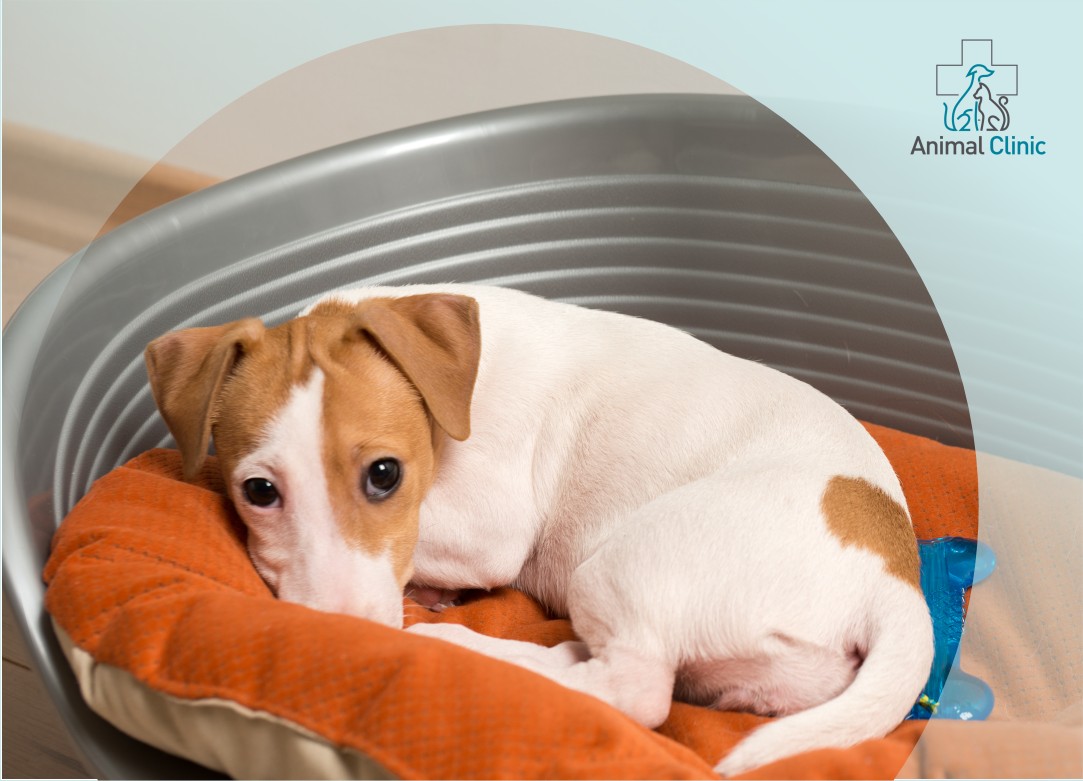
Although most dogs can manage the birth of their puppies on their own, breeders should be well prepared for the process. Understanding how labor in dogs works helps make delivery more comfortable for the mother and reduces potential risks.
What Should You Have Ready?
The most important thing for your dog’s comfort is a safe and comfortable place where she can stay once contractions begin. Many dogs create their own “nest” for labor, but it is better to help your pet prepare it in advance.
A box with a soft blanket inside or a comfortable pet bed is usually the best option for creating a quiet, protected, and private space. This helps keep both the mother and her puppies warm and secure. We recommend preparing this place early so your dog has time to get used to it.
Dog pregnancy usually lasts 58–68 days. Before this time arrives, you should have the following items ready in case your pet needs assistance:
- Clean absorbent pads or towels
- Medical gloves
- Sterile scissors and thread, in case the umbilical cord needs to be cut
- Antiseptic solution
- A heating pad or lamp if the room is cool
It is also essential to have the phone number of a trusted veterinary clinic saved in your contacts. Breeder consultations are a service provided by the specialists at Animal Clinic during dog labor, both by phone and online.
How Normal Labor Happens in Dogs
When your dog begins giving birth, it is important for the owner to stay calm. You may not need to intervene at all, as it is best not to interfere if the process is progressing normally.
A normal labor process usually looks like this:
- Contractions begin: the dog breathes faster, strains, whines, or moans
- The amniotic fluid is released
- Puppies are born one by one, with intervals ranging from 15 minutes to 1–2 hours
- When contractions stop, all puppies have been delivered (matching the number expected from ultrasound), and the same number of placentas have passed, labor is complete
- The mother usually breaks the amniotic sacs herself, bites through the umbilical cord, and licks the puppies clean
When the Owner Needs to Help
If the mother does not care for the newborn puppies within 15 minutes, you should step in.
If the amniotic sac is still intact, gently tear it open, clear the puppy’s airways, tie the umbilical cord with sterile thread about 2–3 cm from the abdomen, cut it with sterile scissors, and dry the puppy with clean towels.
If a puppy becomes stuck, you can carefully try to hold the visible part during contractions and gently pull downward. If this does not help, immediate veterinary assistance is the safest option.
Emergency Situations Requiring a Veterinarian
Urgent medical help is needed in the following cases:
- Active contractions for more than 30 minutes without delivering a puppy
- More than 2 hours between puppies while contractions continue
- Green or black discharge before the first puppy appears
- Heavy bleeding
- Weakness, trembling, or loss of consciousness
- More than 12 hours have passed since contractions began
A veterinary reproduction specialist at Animal Clinic can provide emergency assistance in these situations.
Please note that it is often better to plan delivery at a veterinary clinic in advance if your dog is a small breed, has a narrow pelvis, or had complications during previous births.