
- Main
- News and events
- Pancreatitis in Dogs: Why Can Just One Piece of Fatty Barbecue Meat or Cheese Land a Dog in Intensive Care?
Pancreatitis in Dogs: Why Can Just One Piece of Fatty Barbecue Meat or Cheese Land a Dog in Intensive Care?
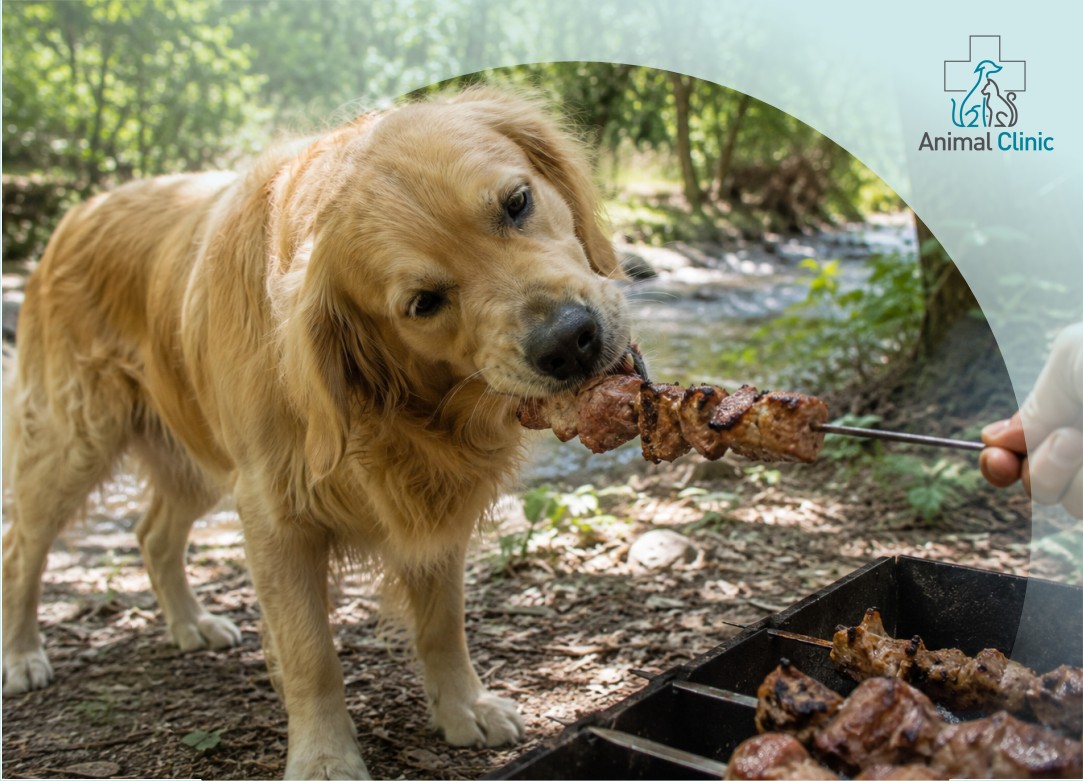
Acute pancreatitis is one of the most dangerous digestive disorders in dogs. Every year, Animal Clinic’s intensive care unit admits patients whose condition has deteriorated sharply after what seemed like a harmless treat: a piece of fatty meat, barbecue, sausage, cheese, or other food from the table.
For many owners, this comes as a surprise because their pet may have seemed completely healthy only a few hours earlier. However, excess fat can trigger acute inflammation of the pancreas—a condition that requires immediate veterinary care and often treatment in an intensive care unit.
The pancreas produces enzymes needed to digest food. Normally, they become active only after entering the intestine. In acute pancreatitis, this mechanism fails: the enzymes are activated directly within the pancreatic tissue and begin damaging its own cells. This triggers a powerful inflammatory response that can spread throughout the body and cause severe, sometimes life-threatening complications.
In this article, we explain how acute pancreatitis develops in dogs, which factors increase the risk, which symptoms owners should watch for, which diagnostic methods are most informative, and which modern treatment approaches are used by Animal Clinic’s canine medicine department.
What is pancreatitis, and why is fatty food dangerous?
Pancreatitis is inflammation of the pancreas caused by premature activation of its digestive enzymes. Normally, the pancreas produces enzymes—trypsin, chymotrypsin, amylase, and lipase—in an inactive form. They are activated only after entering the lumen of the small intestine, where they help digest proteins, fats, and carbohydrates.
In acute pancreatitis, this protective mechanism is disrupted. Some enzymes become active directly within the pancreatic tissue, causing the gland to begin digesting itself and leading to inflammation, swelling, and cell damage. In severe cases, the inflammation spreads beyond the pancreas and may cause a systemic inflammatory response, blood-clotting disorders, and damage to the kidneys, liver, lungs, and other organs.
Eating a large amount of fatty food is one of the most important risk factors. Fat stimulates the release of cholecystokinin, a hormone that increases gallbladder contraction and the secretion of digestive enzymes by the pancreas. In dogs that are predisposed to pancreatitis, obese, or affected by endocrine disease, this burden may trigger acute inflammation.
For this reason, dogs should not be given high-fat foods, including:
- fatty pork, lamb, duck, or goose;
- barbecue, fried meat, smoked foods, and sausages;
- large amounts of hard or processed cheese;
- butter, sour cream, heavy cream, and lard;
- canned fish and meat intended for people, including pâté and sprats;
- high-fat desserts such as ice cream, cakes, and sweets with buttercream.
It is important to remember that even a single large serving of fatty food may be enough to cause acute pancreatitis. The risk is especially high in middle-aged and senior dogs, overweight animals, and breeds with a genetic predisposition to the disease.
Symptoms of pancreatitis in dogs: how to recognize the danger
Clinical signs of acute pancreatitis may appear within a few hours after eating fatty food, although in some cases they develop gradually over 24–48 hours. Pancreatitis can also occur without any obvious dietary indiscretion, particularly in dogs with concurrent disease or a breed predisposition.
The most characteristic symptoms include:
- Vomiting — repeated episodes, sometimes containing bile; vomiting may continue even after the dog stops eating. Observed in 90–95% of cases.
- Abdominal pain — the dog may assume a “prayer position,” with the front legs and chest lowered while the hindquarters remain raised; the abdomen may be tense. Observed in 85% of cases.
- Loss of appetite — complete anorexia; even favorite treats do not interest the dog. Observed in 80% of cases.
- Diarrhea — loose stools that may contain blood or mucus. Observed in 60% of cases.
- Lethargy and weakness — the dog lies down, responds poorly to external stimuli, and may have an altered level of consciousness. Observed in 70% of cases.
- Dehydration — dry mucous membranes, reduced skin elasticity, and sunken eyes. Observed in 50% of cases.
Acute pancreatitis is an emergency that can progress rapidly. Without timely treatment, severe complications may develop, including systemic inflammatory response syndrome (SIRS), multiple organ failure, blood-clotting disorders, acute kidney injury, sepsis, and pancreatic necrosis.
If a dog develops repeated vomiting, severe abdominal pain, refusal to eat, or marked lethargy after consuming fatty food, do not attempt to treat the animal at home. Contact a veterinary clinic as quickly as possible, because early diagnosis and intensive therapy significantly improve the prognosis.
Risk groups: which dogs are affected more often?
Acute pancreatitis can develop in a dog of any breed or age. However, some animals are at considerably higher risk because of genetic, metabolic, or hormonal factors.
Higher-risk groups include:
- Miniature Schnauzers — one of the most predisposed breeds. Primary hypertriglyceridemia (hyperlipidemia), a well-known risk factor for pancreatitis, is often diagnosed in these dogs.
- Yorkshire Terriers — pancreatitis in this breed often occurs after dietary indiscretion or alongside gastrointestinal disease.
- Dachshunds, Cocker Spaniels, and Poodles — clinical observations suggest that pancreatitis is diagnosed more often in these breeds than in the general dog population, although the cause frequently remains unknown (idiopathic pancreatitis).
- Overweight or obese dogs — obesity is associated with chronic low-grade inflammation and abnormal fat metabolism, increasing the risk of pancreatitis and potentially worsening its course.
- Dogs with endocrine disorders — diabetes mellitus, hypothyroidism, and hyperadrenocorticism (Cushing’s syndrome) may disrupt lipid metabolism and increase the likelihood of pancreatic inflammation.
- Senior dogs — the risk increases with age because concurrent illnesses accumulate, metabolism changes, and the body’s compensatory capacity declines.
Pancreatitis can nevertheless occur in a young, clinically healthy dog with no breed predisposition, especially after a large amount of fatty food or exposure to other triggers. A balanced diet and avoiding food from the table therefore remain the most effective preventive measures.
Diagnosing pancreatitis in dogs
No single test can confirm or rule out acute pancreatitis with 100% accuracy. Diagnosis is based on a combination of clinical signs, laboratory tests, and diagnostic imaging.
The main examinations include:
- SNAP cPL rapid test or quantitative Spec cPL test
These tests measure pancreatic lipase (canine pancreatic lipase, cPL), the most specific laboratory marker of pancreatitis in dogs. SNAP cPL is used as a rapid screening test, while Spec cPL provides a quantitative result that helps assess the likelihood of disease and monitor its course. - Blood chemistry panel
This assesses internal organ function and identifies changes associated with pancreatitis or its complications. Testing may include liver enzymes (ALT, AST, ALP, and GGT), bilirubin, glucose, creatinine, urea, electrolytes, total protein, and albumin. Amylase and lipase may also be measured, but they have limited diagnostic value and are not specific for pancreatitis. - Complete blood count
This helps assess the severity of inflammation and the animal’s overall condition. Leukocytosis with neutrophilia and a left shift is common, although findings vary with the stage and severity of the disease. - Additional laboratory tests
When indicated, the veterinarian may check triglycerides and cholesterol, perform a coagulation profile and acid-base analysis, and measure electrolytes and other parameters needed to assess severity and select treatment. - Abdominal ultrasound
This is one of the most important diagnostic methods. Ultrasound can assess the size, structure, and echogenicity of the pancreas, identify surrounding inflammation and abdominal fluid, and evaluate the liver, gallbladder, bile ducts, and intestines. Its diagnostic value depends substantially on the examiner’s experience and the stage of the disease. - Abdominal radiography
X-rays do not directly confirm pancreatitis, but they are important for excluding other causes of an acute abdomen, such as intestinal obstruction, gastrointestinal perforation, foreign bodies, or gastric volvulus.
A comprehensive diagnostic approach not only helps confirm pancreatitis but also determines the extent of systemic involvement, detects complications promptly, and supports selection of the best treatment strategy.
Treatment of pancreatitis in dogs: what does the veterinarian do?
Intensive treatment in hospital
Acute pancreatitis can be life-threatening. Dogs with moderate or severe disease therefore require hospitalization and round-the-clock monitoring. Treatment supports vital functions, controls pain and nausea, and prevents complications.
The main components of treatment include:
- Fluid therapy. Intravenous balanced crystalloid solutions correct dehydration, restore electrolyte balance, support blood pressure, and maintain adequate blood supply to the pancreas and other organs.
- Pain management. Pain may be very intense. Opioid analgesics such as methadone, fentanyl, buprenorphine, or butorphanol are commonly used, depending on the clinical situation. Nonsteroidal anti-inflammatory drugs (NSAIDs) are generally avoided because they may impair kidney perfusion and cause gastrointestinal complications, particularly in dehydrated patients.
- Antiemetic therapy. The first-line medication is maropitant (Cerenia®), which effectively controls vomiting and nausea. Other antiemetics or prokinetic agents may be used when clinically indicated.
- Antibiotic therapy. Routine antibiotics are not recommended for pancreatitis. They are prescribed only when bacterial infection, sepsis, a pancreatic abscess, or another infectious complication is confirmed or reasonably suspected.
- Supportive care. Depending on the patient’s needs, treatment may correct electrolyte and acid-base abnormalities, hypoglycemia or hyperglycemia; plasma or colloids may be used in selected cases, with continuous monitoring of vital signs.
- Gastroprotective medication. Omeprazole, pantoprazole, or sucralfate is used only when indicated, such as suspected gastritis, esophagitis, or gastrointestinal ulceration. Routine use in every patient is unnecessary.
When should the dog be fed?
Modern treatment differs from older practice. If vomiting is controlled and the animal is stabilizing, enteral nutrition should begin as early as possible—often within the first 12–24 hours after hospitalization. Early feeding supports the intestinal barrier, reduces the risk of bacterial translocation, and promotes faster recovery.
Preference is given to highly digestible veterinary diets with a low fat content, offered in small portions several times a day. If the dog cannot or will not eat independently, the veterinarian may recommend a nasoesophageal or nasogastric feeding tube. Other forms of nutritional support may be used in severe cases when necessary.
Prompt intensive treatment significantly improves the prognosis and reduces the risk of serious complications such as multiple organ failure, pancreatic necrosis, or sepsis.
Diet for dogs with chronic pancreatitis
Nutrition is one of the most important parts of treatment and prevention of recurrent pancreatitis. After an acute episode, the veterinarian selects an individual diet based on disease severity, body weight, concurrent conditions, and risk of recurrence.
Dogs with chronic pancreatitis or repeated episodes are generally advised to follow a therapeutic diet for an extended period and, in many cases, for life.
The main nutritional principles are:
- Low fat content. Limiting fat is the most important dietary requirement. Most dogs with pancreatitis need a reduced-fat diet, typically containing less than 10% fat on a dry-matter basis or the amount recommended by the therapeutic diet manufacturer.
- High-quality, highly digestible protein. Preference is given to readily digestible protein sources. If the dog also has a food allergy or enteropathy, the veterinarian may recommend a hypoallergenic diet.
- Moderate fiber content. Fiber helps normalize intestinal motility and supports gastrointestinal health, but the amount must be balanced.
- Small, frequent meals. Divide the daily food allowance into 3–5 small portions to avoid placing a sudden burden on the digestive system.
- No fatty treats. Do not give the dog sausages, barbecue, fatty meat, cheese, smoked or fried foods, or any other food from the table.
Therapeutic veterinary diets commonly used for pancreatitis include:
- Hill’s Prescription Diet i/d Low Fat;
- Royal Canin Gastrointestinal Low Fat;
- Purina Pro Plan Veterinary Diets EN Gastroenteric Low Fat*.
*A veterinarian should select the specific diet based on the animal’s clinical condition.
Preventing pancreatitis: 5 simple rules
It is impossible to eliminate the risk of pancreatitis completely, but appropriate nutrition and control of risk factors substantially reduce the likelihood of the disease.
- Do not feed your dog fatty food. Fatty meat, sausages, smoked foods, cheese, fried dishes, and other table foods should not be part of the diet.
- Do not offer human food as treats. Even a small amount of fatty food can trigger pancreatitis in a susceptible animal.
- Maintain a healthy body weight. Obesity is one of the most important risk factors for developing pancreatitis and for a severe course of the disease.
- Change food gradually. Transition to a new diet over 7–10 days, gradually increasing the proportion of the new food.
- Schedule regular veterinary checkups. Dogs with diabetes mellitus, hypothyroidism, hyperlipidemia, Cushing’s syndrome, or a history of pancreatitis need regular health monitoring and timely treatment adjustments.
Following these recommendations significantly reduces the risk of recurrent pancreatitis and helps maintain a good quality of life for many years.
Frequently asked questions about pancreatitis in dogs
Can a dog die from pancreatitis?
Yes. Severe acute pancreatitis can lead to systemic inflammatory response syndrome (SIRS), pancreatic necrosis, sepsis, blood-clotting disorders, and multiple organ failure. The prognosis depends on disease severity, how quickly veterinary care is sought, and how promptly treatment begins. Repeated vomiting, severe abdominal pain, or marked weakness requires immediate veterinary attention.
What are the first signs of pancreatitis after a dog eats fatty food?
The most common early signs are repeated vomiting, loss of appetite, abdominal pain, depression, and lethargy. Some dogs also develop diarrhea. Symptoms may appear within a few hours after eating fatty food, although the exact timing varies.
What is the best diet for pancreatitis?
Treatment is based on a highly digestible veterinary diet with reduced fat. Common therapeutic options include Hill’s Prescription Diet i/d Low Fat, Royal Canin Gastrointestinal Low Fat, and Purina Pro Plan Veterinary Diets EN Gastroenteric Low Fat. During the acute phase, the veterinarian decides when feeding should resume. Once vomiting is controlled, early enteral feeding in small portions is preferred.
Can a dog with pancreatitis eat cheese?
It is not recommended. Most cheeses contain substantial amounts of fat, which may increase the risk of a flare-up or another episode of pancreatitis. Even low-fat varieties should not be offered without consulting a veterinarian.
How long does treatment for pancreatitis take?
The duration depends on disease severity. With acute pancreatitis, hospitalization usually lasts from several days to a week, or longer if complications develop. After discharge, the dog needs a special diet and follow-up examinations. Chronic pancreatitis requires long-term management aimed at preventing recurrence.
Can pancreatitis spread to other animals or people?
No. Pancreatitis is not an infectious disease and cannot be transmitted from a dog to other animals or people.
Which dog breeds develop pancreatitis most often?
An increased risk has been reported in Miniature Schnauzers, Yorkshire Terriers, Dachshunds, Cocker Spaniels, Poodles, and some other small breeds. Dogs with obesity, hyperlipidemia, diabetes mellitus, hypothyroidism, or Cushing’s syndrome are also at increased risk.
Is an ultrasound necessary when pancreatitis is suspected?
Yes. Ultrasound is one of the most important diagnostic methods. It helps assess the pancreas, detect inflammatory changes and abdominal fluid, and rule out other diseases that may cause similar symptoms.
Can pancreatitis be treated at home?
Acute pancreatitis should not be treated without veterinary supervision. If the disease is suspected, the dog must be examined by a veterinarian as soon as possible. Only after diagnosis can the veterinarian determine whether hospitalization is required or outpatient treatment is appropriate.
Should pancreatin be given for pancreatitis?
Not always. Enzyme replacement therapy is mainly used for exocrine pancreatic insufficiency, which may develop after severe or chronic pancreatitis. Routine pancreatin administration to every dog with acute pancreatitis is not recommended.
How can I book an appointment for my dog at Animal Clinic?
You can schedule a consultation by calling (044) 333-95-63 or (067) 333-95-63, or by using the appointment form on the Animal Clinic website.
If your dog has repeated vomiting, severe abdominal pain, sudden weakness, or other signs of acute pancreatitis, do not delay a visit to the veterinary clinic. Such patients require urgent examination and, when necessary, hospitalization.