
- Main
- News and events
- Autumn Checklist for Pet Owners: How to Take Care of Your Pet’s Health
Autumn Checklist for Pet Owners: How to Take Care of Your Pet’s Health
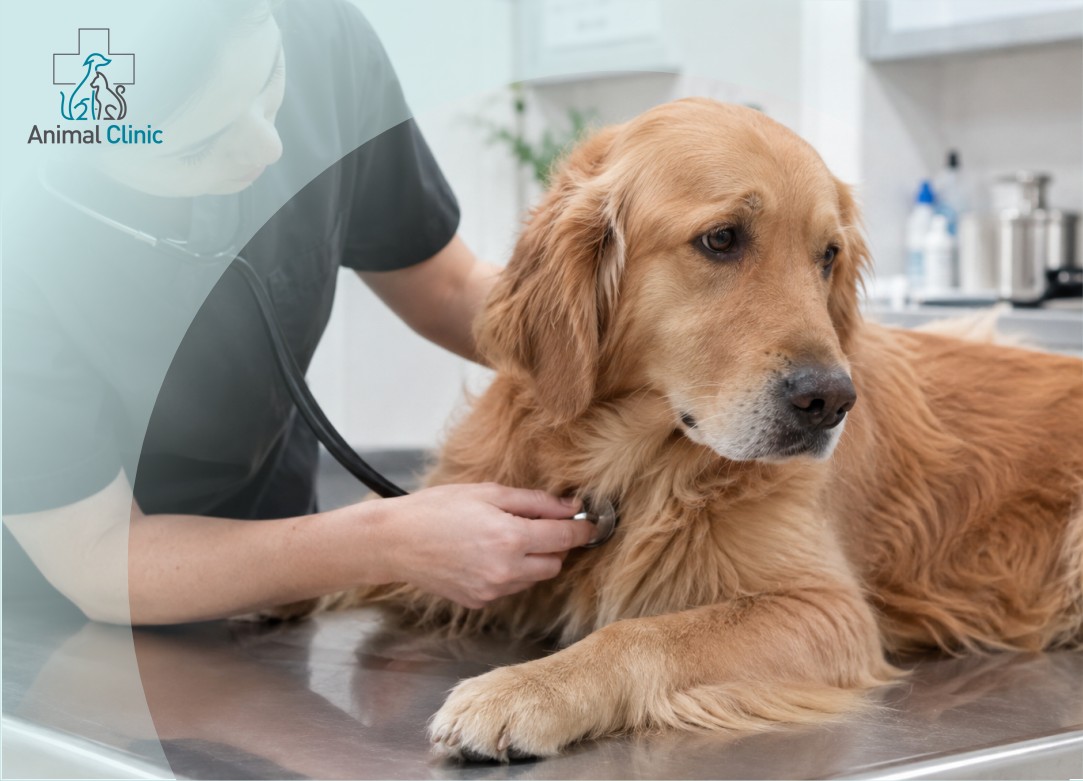
Autumn is a time when not only the weather changes, but also the needs of our pets. Lower temperatures, rain, higher humidity, shorter daylight hours, and changes in activity can affect a dog’s or cat’s skin and coat, paws, joints, weight, and overall well-being.
That is why it is better not to wait for problems to appear in autumn, but to check the main indicators of your pet’s health in advance.
The veterinary team at Animal Clinic has prepared an autumn checklist for dog and cat owners to help you make sure nothing is overlooked before the cold season.
1. Continue Tick and Flea Protection
One of the most common mistakes pet owners make is stopping external parasite prevention as soon as summer ends.
In fact, ticks can remain active in autumn, especially during warm and humid weather. Pets can still encounter parasites in parks, tall grass, bushes, gardens, and during an ordinary walk around the city.
Fleas are not exclusively a summer problem either. They can survive indoors throughout the year.
It is therefore important in autumn to:
- continue regular tick and flea prevention;
- follow the recommended interval between treatments;
- choose a product appropriate for the animal’s species, age, and weight;
- check your dog’s coat and skin after walks;
- avoid combining several antiparasitic products without consulting a veterinarian.
If you are unsure which product is right for your pet, it is best to consult a veterinarian.
2. Check the Condition of the Coat and Skin
Many dogs and cats begin seasonal shedding in autumn. This is a natural process in which the summer coat is gradually replaced by a thicker one.
However, not every case of hair loss can be explained by seasonal shedding.
Pay attention if your pet develops:
- areas of significant coat thinning;
- bald patches;
- skin redness;
- dandruff;
- rashes or crusts;
- an unpleasant skin odor;
- persistent itching;
- frequent licking or scratching of a particular area.
These symptoms may occur with parasitic infestations, allergic reactions, dermatological problems, or other conditions.
If shedding seems excessive or is accompanied by skin changes, a veterinary examination and dermatological testing, when indicated, are recommended.
3. Do Not Forget About Paw Care After Walks
Rain, wet pavement, mud, and long walks on damp surfaces can negatively affect paw pads and the skin between the toes.
After a walk, it is advisable to:
- rinse the paws with clean water if they are dirty;
- dry the fur between the toes thoroughly;
- check for cracks, wounds, or foreign objects;
- watch for redness and irritation.
Owners of dogs with long hair on their paws should be especially attentive. Persistent moisture between the toes can create favorable conditions for skin irritation.
If your dog constantly licks a paw, limps, will not allow its toes to be touched, or develops swelling, this is a reason to contact a veterinary clinic.
4. Monitor Your Pet’s Weight
Some dogs become less physically active in autumn and winter. Walks get shorter, while the number of calories in their diet often remains unchanged.
As a result, the animal may gradually gain excess weight.
Obesity in dogs and cats is not merely an aesthetic issue. Excess body weight places additional strain on the joints and cardiovascular system and may also be associated with an increased risk of metabolic disorders.
Pet owners should regularly:
- monitor their pet’s weight;
- assess changes in body shape;
- watch portion sizes;
- avoid increasing the amount of food unnecessarily;
- include treats when calculating the diet’s total calorie content.
If your dog’s or cat’s weight increases rapidly or, conversely, decreases without an obvious reason, consult a veterinarian.
5. Pay Attention to Joint Health
After the summer season, owners sometimes notice that their pet becomes less active as the weather turns cooler.
This is especially relevant for older dogs and cats, overweight animals, and patients with previously diagnosed musculoskeletal conditions.
Do not attribute every change in behavior solely to the weather or age.
Reasons to consult a veterinarian may include:
- limping;
- reluctance to climb stairs;
- difficulty getting up after sleep;
- refusal to jump onto a sofa or other familiar surfaces;
- reduced activity during walks;
- stiffness;
- a painful response to touch.
Timely diagnosis helps identify the cause of discomfort and determine the appropriate treatment or supportive care.
Never give your pet human pain medication without veterinary guidance—some products can be toxic to dogs and cats.
6. Check the Vaccination Schedule
Autumn is a good time to check your pet’s veterinary passport and make sure routine vaccinations have been given on time.
Vaccination helps protect dogs and cats against a range of dangerous infectious diseases.
The vaccination schedule depends on:
- the animal’s age;
- previous vaccinations;
- lifestyle;
- health status;
- the type of vaccine;
- the risk of contact with other animals.
If you do not remember the date of the last vaccination or the next booster is approaching, bring the veterinary passport to your consultation. The veterinarian will help determine the appropriate schedule.
Before a routine vaccination, the veterinarian performs a clinical examination and assesses the animal’s condition.
7. Schedule a Preventive Checkup
You do not have to wait until your pet becomes ill before visiting a veterinarian.
A preventive checkup for a dog or cat helps assess overall health and identify changes that an owner may not notice at home.
During the appointment, the veterinarian may assess:
- the animal’s general condition;
- weight and body condition;
- skin and coat;
- the oral cavity and teeth;
- eyes and ears;
- the heart and respiratory system;
- the musculoskeletal system;
- lymph nodes and other indicators of clinical health.
Based on the animal’s age, medical history, or examination results, the veterinarian may recommend additional diagnostics, including blood and urine tests, ultrasound, or other investigations.
Regular preventive checkups are especially important for middle-aged and older animals.
Autumn Checklist: What to Check Right Now
Before the cold season begins, check:
✓ whether tick and flea protection is up to date;
✓ whether there are any skin changes or excessive hair loss;
✓ the condition of the paws and paw pads;
✓ whether your pet’s weight has changed;
✓ whether there is any stiffness or limping;
✓ when the last vaccination was given;
✓ when your pet last had a preventive veterinary checkup.
Preventive care helps identify many problems before they begin to have a significant effect on an animal’s well-being.
Check your dog’s or cat’s health before winter by booking a consultation with the veterinarians at Animal Clinic.
A preventive checkup will help assess your pet’s condition and determine whether any additional tests are needed before the cold season.
Animal Clinic—caring for your pet’s health in every season.
FAQ: Frequently Asked Questions About Autumn Care for Dogs and Cats
Should Dogs Be Treated for Ticks in Autumn?
Yes. Tick protection should not be stopped simply because summer has ended. Ticks can remain active during warm autumn weather. The prevention plan and product should be selected according to the animal’s age, weight, and health status.
Should Cats Be Treated for Fleas in Autumn?
It depends on the animal’s lifestyle and risk of infestation. Fleas can be a problem beyond the summer months and may persist indoors. The best prevention plan for your cat should be discussed with a veterinarian.
Is Heavy Shedding in Autumn Normal?
Seasonal shedding can be normal. However, if bald patches, itching, redness, dandruff, rashes, or other skin changes appear, the animal should be examined by a veterinarian.
Why Has My Dog Become Less Active in Autumn?
Changes in the weather and walking routine may be responsible, but reduced activity can also be associated with pain, joint problems, excess weight, or other conditions. It is especially important to consult a veterinarian if your pet develops a limp, stiffness, or difficulty getting up.
How Often Should a Pet Have a Preventive Veterinary Checkup?
The frequency of checkups depends on the animal’s age and health. A veterinarian determines the schedule for healthy young animals, while older pets or patients with chronic conditions may need examinations and follow-up tests more frequently.
What Tests Should a Dog or Cat Have in Autumn?
There is no universal list of tests for every animal. A veterinarian determines whether a complete blood count, blood chemistry panel, urinalysis, ultrasound, or other tests are needed based on the animal’s age, symptoms, medical history, and examination findings.
Should a Dog’s Diet Be Changed for Autumn?
Most pet dogs do not need an abrupt seasonal diet change. It is more important to adjust calorie intake to the level of activity and prevent excess weight gain. If your pet has special needs or a chronic condition, discuss the diet with a veterinarian.
Where Can a Dog or Cat Have a Preventive Checkup in Kyiv?
Preventive veterinary checkups are available at Animal Clinic locations in Kyiv and Sofiivska Borshchahivka. During the consultation, the veterinarian will assess the animal’s general condition and recommend additional tests if necessary.