
- Main
- News and events
- Autumn Check-Up for Dogs and Cats: What to Check Before Winter
Autumn Check-Up for Dogs and Cats: What to Check Before Winter
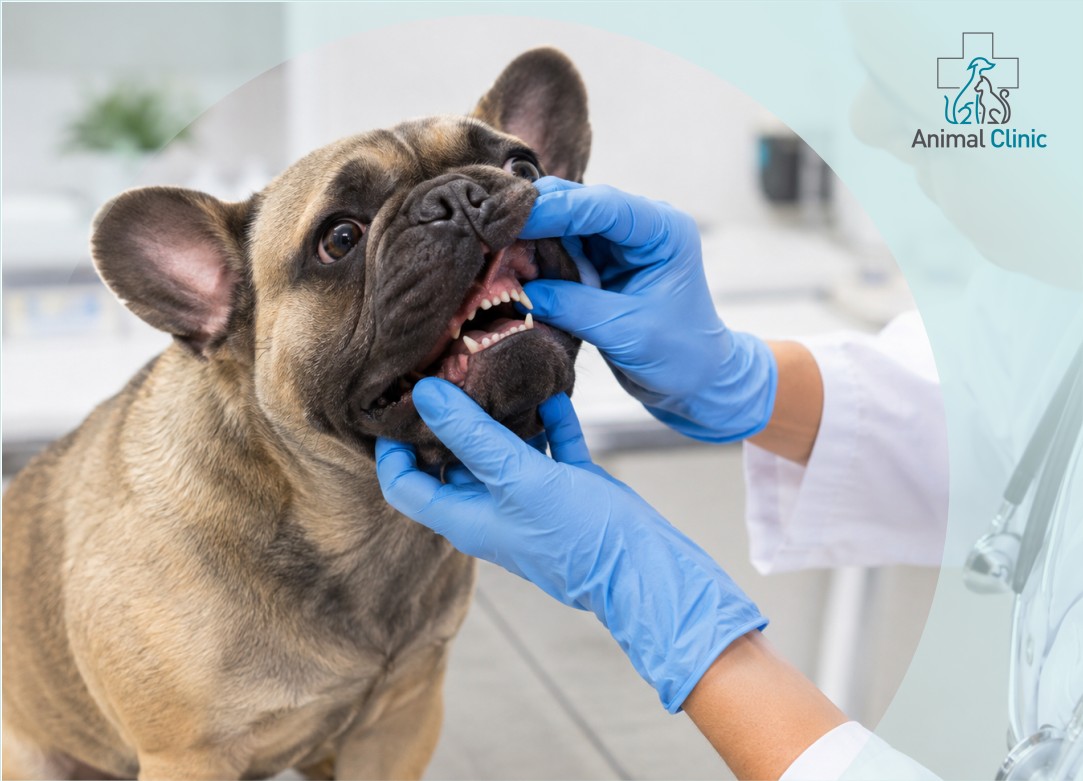
Autumn is a good time to schedule a preventive examination for your pet before the cold season. After an active summer, it is worth assessing your dog’s or cat’s general condition, weight, teeth, skin, and coat and, if indicated, carrying out laboratory or diagnostic imaging tests.
A preventive pet check-up does not mean performing as many tests as possible “just in case.” Its purpose is to assess the animal’s health, consider its age, lifestyle, and medical history, and determine which tests are appropriate for that particular pet.
Veterinarians at Animal Clinic explain what should be checked in dogs and cats during autumn and why it is not necessary to wait for symptoms before scheduling an examination.
Why an Autumn Check-Up Is Important
Pets may show no obvious signs of illness for a long time.
This is particularly true for cats, which often conceal discomfort, but dog owners may also notice a problem only when the symptoms become pronounced.
A preventive examination helps to:
- assess the animal’s general condition;
- check its weight and body condition;
- examine the teeth and oral cavity;
- assess the skin and coat;
- evaluate the joints and mobility;
- check the heart and respiratory system;
- discuss vaccination and parasite prevention;
- determine whether tests or additional diagnostics are required.
An autumn check-up is particularly relevant if the animal has not had a preventive veterinary examination for a long time.
1. Clinical Examination — the Basis of a Preventive Check-Up
Every check-up should begin with a veterinary consultation and clinical examination rather than laboratory tests.
During the appointment, the veterinarian takes the animal’s medical history and asks about:
- the animal’s diet;
- changes in appetite or thirst;
- vomiting or diarrhoea;
- urination;
- changes in activity;
- itching;
- changes in weight;
- medications the animal receives;
- the dates of vaccination and parasite treatments.
The veterinarian then assesses the pet’s general condition.
Depending on the situation, the examination may include:
- assessment of the mucous membranes;
- listening to the heart and lungs;
- abdominal palpation;
- examination of the eyes and ears;
- assessment of the lymph nodes;
- examination of the skin and coat;
- examination of the oral cavity;
- assessment of mobility and joint condition.
The findings of the clinical examination help determine whether additional tests are necessary.
2. Weight and Body Condition Monitoring
Weight is one of the simplest yet most informative indicators of health.
Many pets become less active in autumn: walks become shorter, while the amount of food often remains unchanged.
This can contribute to excess weight gain.
At the same time, unexplained weight loss should not be ignored.
Why Excess Weight Is Dangerous
Excess body weight can place additional strain on:
- the joints;
- the spine;
- the cardiovascular system;
- the respiratory system;
- the metabolism.
Weight monitoring is particularly important for animals with musculoskeletal problems.
When Weight Loss Requires Attention
You should consult a veterinarian if your dog or cat loses weight without an obvious reason, particularly if there are simultaneous changes in:
- appetite;
- thirst;
- activity;
- urination frequency;
- coat condition;
- bowel movements.
During the check-up, the veterinarian evaluates not only the number on the scales but also the animal’s body condition and muscle mass.
3. Examination of the Teeth and Oral Cavity
Dental health is often underestimated, especially if the animal continues to eat.
However, dogs and cats may continue eating even when they are experiencing significant dental discomfort.
Pay attention to:
- bad breath;
- tartar;
- redness of the gums;
- bleeding;
- reluctance to eat hard food;
- chewing on one side of the mouth;
- food falling from the mouth;
- increased salivation;
- pawing at the face.
During a preventive examination, the veterinarian assesses the teeth and gums and, if necessary, recommends a further dental examination or professional oral cleaning.
4. Skin and Coat Condition
For many dogs and cats, autumn is a season of more active coat shedding.
Normal seasonal shedding should not be accompanied by:
- severe itching;
- large bald patches;
- pronounced redness;
- weeping skin lesions;
- wounds;
- severe flaking;
- an unpleasant smell from the skin.
During an autumn check-up, it is worth assessing the condition of the:
- coat;
- skin;
- ears;
- paws;
- areas between the toes.
If itching or dermatological changes are present, the veterinarian may recommend parasite tests, cytology, or other diagnostic procedures.
5. Blood Tests: Are They Necessary for a Healthy Animal?
There is no universal answer to the question, “Which tests should a dog or cat have in autumn?”
A clinical examination may be sufficient for one young, healthy animal. For another pet, the veterinarian may recommend laboratory tests based on its age, symptoms, or medical history.
The most commonly used tests include:
Complete Blood Count
A complete blood count helps assess blood cell composition and may be useful if the veterinarian suspects:
- inflammation;
- anaemia;
- changes in white blood cell or platelet counts;
- other abnormalities.
Blood Biochemistry Test
A blood biochemistry test is used for a comprehensive assessment of internal organ function and metabolism.
Depending on the clinical situation, the veterinarian may assess measurements associated with:
- kidney function;
- the liver;
- protein metabolism;
- blood glucose levels;
- electrolytes;
- other body systems.
Test results should always be interpreted together with the symptoms, medical history, and clinical examination findings.
6. Is a Urinalysis Necessary?
A urinalysis is an important part of the diagnostic process for many conditions.
It may be recommended if the animal:
- has started drinking more;
- has experienced changes in urination frequency;
- has difficulty urinating;
- may have kidney or urinary tract disease;
- has abnormalities in its blood biochemistry results.
For senior animals, a urinalysis may also form part of a preventive examination plan.
7. Additional Tests — Only When Indicated
An autumn check-up does not mean that every dog or cat automatically needs an ultrasound scan, X-ray, or numerous laboratory tests.
Additional tests are prescribed based on the examination findings.
They may include:
- an abdominal ultrasound examination;
- radiography;
- a urinalysis;
- SDMA testing;
- hormone tests;
- blood pressure measurement;
- cardiac diagnostics;
- dermatological tests;
- dental diagnostics;
- other methods, if indicated.
This approach helps avoid both insufficient diagnostics and unnecessary tests without a clinical indication.
Which Pets Particularly Benefit from a Preventive Check-Up?
Regular examinations are beneficial for all pets, but special attention should be given to dogs and cats that:
- are over seven years old;
- have chronic diseases;
- receive long-term medication;
- are overweight;
- have lost weight;
- have become less active;
- have started drinking more;
- have skin or coat problems;
- have not had a veterinary examination for a long time;
- have recently experienced an illness or undergone surgery.
What to Tell the Veterinarian During the Check-Up
Before the appointment, consider whether there have been any changes during the past few months in:
- water consumption;
- appetite;
- weight;
- activity;
- the duration of walks;
- coat condition;
- breath odour;
- urination;
- bowel movements;
- behaviour.
Even changes that appear minor may help the veterinarian create an appropriate examination plan.
If a symptom occurs intermittently, you can record it on video — for example, lameness, coughing, or unusual behaviour.
Checklist: What to Check in Your Dog or Cat Before Winter
Before the cold season, it is worth checking:
- ✓ the animal’s general condition;
- ✓ weight and body condition;
- ✓ teeth and gums;
- ✓ skin and coat condition;
- ✓ ears and paws;
- ✓ activity and mobility;
- ✓ vaccination status;
- ✓ regular parasite prevention;
- ✓ whether blood tests and a urinalysis are necessary;
- ✓ whether additional tests are indicated.
This preventive approach helps assess the pet’s health comprehensively instead of responding only after pronounced symptoms have appeared.
You can arrange a preventive examination or check-up for your dog or cat in Kyiv at an Animal Clinic branch.
After the clinical examination, the veterinarian will determine which tests are appropriate for your pet.
You do not have to wait until your pet becomes ill. A preventive examination before winter is an opportunity to assess your pet’s health and identify changes in time.
FAQ — Autumn Check-Ups for Dogs and Cats
What does a dog check-up include?
A basic check-up begins with a clinical examination. The veterinarian assesses the animal’s general condition, weight, oral cavity, skin, coat, heart, respiratory system, and other clinical indicators. Laboratory and additional diagnostic tests are prescribed individually.
What does a cat check-up include?
During a preventive examination, the veterinarian evaluates the cat’s weight, teeth, skin, coat, heart, breathing, and other clinical indicators. Blood tests, a urinalysis, and additional diagnostic procedures may be recommended for senior cats or animals with symptoms.
Which preventive tests should a dog have?
There is no universal set of tests. Depending on the dog’s age, health, and examination findings, the veterinarian may recommend a complete blood count, a blood biochemistry test, a urinalysis, or other tests.
Does a healthy animal need blood tests?
Not every young, healthy animal needs regular laboratory tests according to the same schedule. The veterinarian determines whether tests are necessary based on the animal’s age, medical history, and clinical examination.
How often should a pet have a preventive veterinary examination?
The frequency depends on the animal’s age, breed, and health. A scheduled examination according to the recommended timetable may be sufficient for young, healthy pets, while senior animals and those with chronic conditions may require more frequent monitoring.
Does a dog or cat need an ultrasound scan every year?
An ultrasound scan is not a mandatory part of every preventive examination. It is prescribed when indicated — for example, because of abnormal test results, symptoms, or the need to monitor an existing condition.
Why are the teeth checked during a check-up?
Dental problems may remain unnoticed for a long time. An animal may continue eating despite gum inflammation, tartar, or pain. An oral examination is therefore an important part of a preventive appointment.
When is the best time for an autumn check-up?
There is no specific date. It is convenient to schedule the examination during autumn before the cold season, particularly if the animal has not had a preventive examination for a long time or if its weight, activity, appetite, or other indicators have changed in recent months.
Does a young dog or cat need a check-up?
Yes. Preventive examinations are beneficial not only for senior animals. It is also important to regularly assess the general health, teeth, weight, skin, vaccination status, and parasite prevention of young dogs and cats.
Where can a pet receive a check-up in Kyiv?
Preventive examinations and the necessary diagnostic tests are available at Animal Clinic in Pozniaky, Osokorky, Pechersk, Sofiivska Borshchahivka, and the urban-type settlement of Borova. After the examination, the veterinarian will create an individual diagnostic plan.