
- Main
- News and events
- Dangerous Foods and Outdoor Finds in Autumn: What Can Put Your Dog at Risk During a Walk
Dangerous Foods and Outdoor Finds in Autumn: What Can Put Your Dog at Risk During a Walk
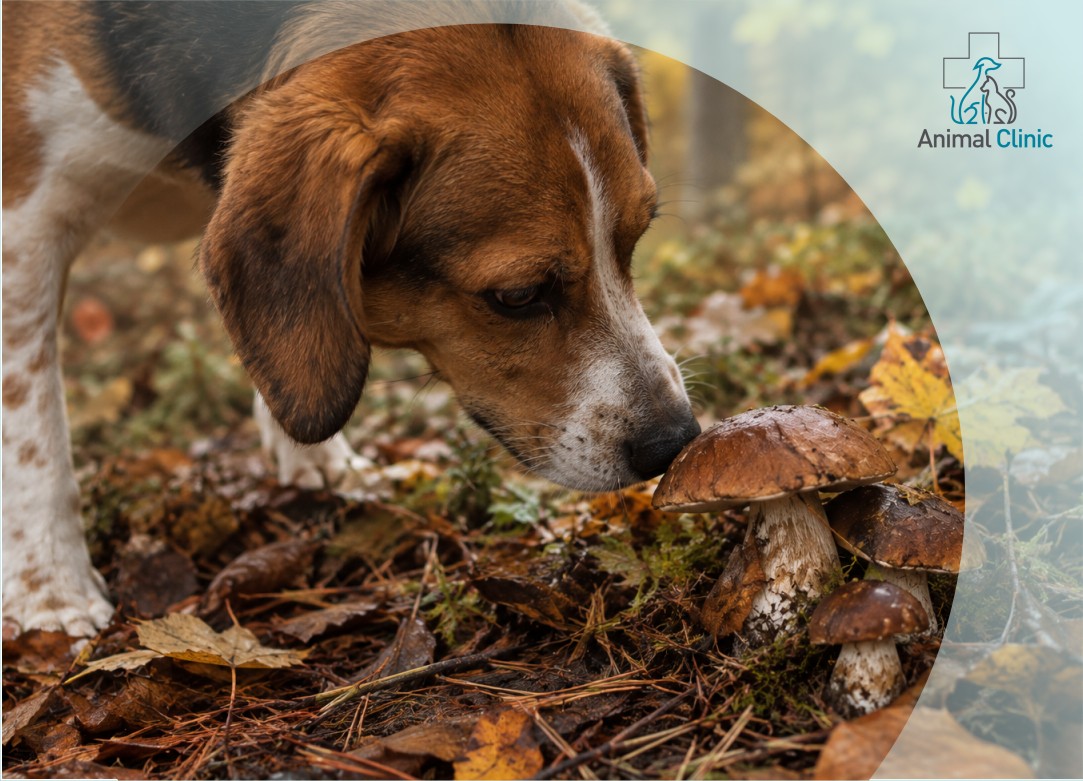
Autumn brings more than cooler weather and colorful leaves. Mushrooms, acorns, chestnuts, fallen fruit, and food scraps appear on the ground, while seasonal desserts containing chocolate, grapes, and raisins become more common at home.
For a curious dog, a walk can turn into a real buffet. However, some foods that are harmless to humans and certain natural finds can cause poisoning, digestive irritation, or intestinal obstruction.
It is especially dangerous to assume that “a tiny amount won’t hurt.” For some substances, the risk depends on the dose, type of product, and the animal’s weight, while for others it is difficult to predict how a particular dog will react.
The veterinarians at Animal Clinic explain which autumn finds should be kept away from pets and what to do if an animal eats something potentially dangerous.
1. Wild mushrooms: it is safer to consider all of them potentially dangerous
After rainfall, many mushrooms appear in parks, yards, forests, and even on lawns.
The problem is that accurately identifying a mushroom species without specialist knowledge can be difficult. Some wild mushrooms may cause only digestive upset, while others can lead to severe neurological symptoms, liver damage, or other dangerous consequences.
The practical rule for owners is simple: do not allow your dog to eat any wild mushrooms during a walk. Veterinary sources also recommend treating unidentified mushrooms as potentially toxic.
What to do if your dog eats a mushroom
Do not wait for symptoms to appear.
If possible:
- photograph the mushroom and the place where it was growing;
- keep any remaining part of the mushroom separately;
- estimate how much the animal may have eaten;
- note when it happened;
- contact a veterinarian.
Do not induce vomiting unless a veterinarian specifically advises you to do so.
2. Acorns: more than just a toy
Acorns often attract dogs because they roll, crunch, and can easily be mistaken for toys. However, swallowing them can cause problems.
Acorns contain tannins and may irritate the gastrointestinal tract when eaten. A whole acorn or large pieces can also become a foreign body and cause intestinal obstruction.
After eating acorns, a dog may develop:
- vomiting;
- diarrhea;
- abdominal pain;
- loss of appetite;
- lethargy.
If a dog has swallowed several acorns, especially if it is a small dog, it is best to consult a veterinarian.
3. Chestnuts: pay particular attention to horse chestnuts
It is important to distinguish edible chestnuts from horse chestnuts, which are often found beneath trees in city parks and yards during autumn.
Horse chestnuts can be dangerous for dogs. Eating them may cause gastrointestinal problems, while swallowing a whole fruit can lead to intestinal obstruction because of its size. Parts of the horse chestnut contain toxic compounds, so they should not be used as toys for dogs.
If an animal swallows a whole chestnut, especially a small dog, contact a veterinarian even if no symptoms are present.
4. Grapes and raisins: a risk to the kidneys
Grapes and raisins are foods that must not be given to dogs.
Eating them can cause acute kidney injury. Sensitivity varies between dogs, making it difficult to predict what amount will be dangerous for a particular animal.
It is especially important to remember hidden sources of raisins:
- baked goods;
- muffins;
- cookies;
- muesli;
- nut and dried-fruit mixes;
- cheese pancakes and other desserts;
- holiday baked goods.
Symptoms after eating grapes or raisins
Possible symptoms include:
- vomiting;
- diarrhea;
- loss of appetite;
- abdominal pain;
- lethargy;
- weakness;
- increased thirst.
In severe cases, acute kidney injury may develop.
If your dog has eaten grapes or raisins, do not wait for symptoms—contact a veterinary clinic immediately.
5. Chocolate: the darker it is, the greater the risk
Chocolate contains methylxanthines, primarily theobromine and caffeine, which can be toxic to animals.
The degree of risk depends on:
- the type of chocolate;
- the amount eaten;
- the animal’s body weight.
Dark chocolate, baking chocolate, and cocoa powder usually contain significantly more methylxanthines than milk chocolate.
Signs of chocolate poisoning
Possible symptoms include:
- vomiting;
- diarrhea;
- excessive thirst;
- restlessness;
- rapid heartbeat;
- tremors;
- loss of coordination;
- in severe cases, seizures and dangerous heart rhythm disturbances.
If your dog has eaten chocolate, tell the veterinarian:
- the animal’s weight;
- the type of chocolate;
- the approximate amount eaten;
- when it was eaten.
Do not rely on the fact that “it was only one piece.” For a small dog and concentrated dark chocolate, the risk can be considerably higher.
6. Products containing xylitol
Another danger that often goes unnoticed is xylitol.
This sweetener may be found in:
- sugar-free chewing gum;
- candy;
- some desserts;
- baked goods;
- certain peanut or nut butters;
- other products labeled “sugar-free.”
Xylitol is especially dangerous for dogs. It can cause a rapid drop in blood glucose and, at a significant dose, liver damage.
Symptoms may include weakness, vomiting, loss of coordination, tremors, seizures, or loss of consciousness.
If xylitol ingestion is suspected, contact a veterinary clinic immediately.
7. Onions, garlic, and foods containing them
Danger does not come only from things a dog finds outside. In autumn, people tend to eat more soups, stews, sauces, and prepared foods containing onions or garlic.
Plants of the Allium genus can irritate the digestive tract and damage red blood cells, potentially causing anemia. Cats are especially sensitive, but dogs are also at risk.
Do not give pets “just a little from the table” if the dish contains onions or garlic.
8. Spoiled food and rubbish
In autumn, food scraps and rubbish may be difficult to see beneath fallen leaves.
Particularly dangerous items include:
- spoiled meat;
- bones;
- moldy food;
- food waste;
- bags and packaging;
- food scraps near waste containers.
Even if a product is not toxic in itself, spoiled food can cause severe gastroenteritis, while bones, packaging, and other objects may cause injury or gastrointestinal obstruction.
Dogs that frequently pick up food outside should be taught a reliable “leave it” command and monitored particularly closely during walks.
Autumn plants can also be dangerous
Not all seasonal risks come from food. Potentially toxic plants and their fruits may be found in parks and gardens during autumn.
These may include:
- yew;
- autumn crocus;
- horse chestnut;
- certain ornamental plants and berries.
Toxicity varies greatly depending on the plant species. If your dog eats an unidentified berry, leaf, seed, or another part of a plant, photograph it and contact a veterinarian.
What to do if your dog eats something during a walk
The main rule is to not wait for symptoms if the substance is known to be potentially toxic.
1. Remove any remaining material
Do not allow the animal to continue eating it.
2. Find out exactly what was eaten
If possible, take a photograph or keep the product packaging.
3. Estimate the amount
Even an approximate amount will help the veterinarian assess the risk.
4. Note the time
For some poisonings, the time since ingestion affects the choice of veterinary treatment.
5. Call a veterinary clinic
Tell the clinic:
- what the animal ate;
- approximately how much;
- when it happened;
- the dog’s or cat’s weight;
- whether any symptoms are already present.
Do not induce vomiting yourself
One of the most dangerous pieces of home advice is to induce vomiting using salt, hydrogen peroxide, or other substances.
Do not do this without direct instructions from a veterinarian.
Vomiting can be dangerous with certain toxins or foreign objects, and inappropriate home remedies may cause additional poisoning or injury.
Without veterinary advice, you should also avoid giving:
- activated charcoal;
- other adsorbents;
- milk;
- oil;
- human medications.
The appropriate response depends on what the animal has swallowed.
Symptoms that may indicate poisoning
After an animal eats an unidentified substance, watch for:
- vomiting;
- diarrhea;
- excessive drooling;
- loss of appetite;
- abdominal pain;
- sudden lethargy;
- weakness;
- tremors;
- loss of coordination;
- seizures;
- rapid or difficult breathing;
- altered consciousness;
- unusual thirst;
- changes in urination.
However, remember that the absence of immediate symptoms does not mean there is no danger. Some toxic substances may cause clinical signs only after a delay.
When urgent veterinary care is needed
Do not delay seeking help if the animal:
- has eaten grapes or raisins;
- has swallowed a significant amount of chocolate;
- may have eaten a product containing xylitol;
- has eaten an unidentified wild mushroom;
- has swallowed a large chestnut, acorn, or another foreign object;
- is vomiting repeatedly;
- has suddenly become lethargic;
- is trembling;
- is having seizures;
- has lost coordination;
- is having difficulty breathing;
- has lost consciousness.
When poisoning is suspected, time can be critical, so do not wait for the animal’s condition to worsen.
How to keep your dog safe during autumn walks
A few simple rules can significantly reduce the risk:
- watch what your dog sniffs and picks up;
- practice commands such as “leave it” or “drop it”;
- do not allow your dog to play with acorns or chestnuts;
- avoid areas with large numbers of unidentified mushrooms;
- do not allow your dog to drink from stagnant puddles or suspicious bodies of water;
- keep chocolate, grapes, and sweets out of reach at home;
- check “sugar-free” products for xylitol;
- closely supervise dogs that tend to pick up food during walks.
If scavenging is a serious problem, training may be combined with a properly fitted basket muzzle that allows the dog to breathe normally and open its mouth.
If your dog or cat has eaten a potentially toxic food, mushroom, plant, or foreign object, contact the veterinarians at Animal Clinic.
When contacting the clinic, immediately explain what the animal ate, approximately how much it ate, and when it happened.
If you are unsure whether the substance your pet swallowed is dangerous, it is better to consult a veterinarian immediately instead of waiting for symptoms.
FAQ — dangerous foods and autumn finds for dogs
What should I do if my dog eats grapes?
Do not wait for symptoms. Grapes can cause acute kidney injury in dogs, and individual sensitivity is difficult to predict. Contact a veterinary clinic and report the approximate amount eaten, the time of ingestion, and the dog’s weight.
What should I do if my dog eats raisins?
Like grapes, raisins are potentially dangerous for dogs. Even if the animal appears well, seek veterinary advice immediately.
What should I do if my dog eats chocolate?
Keep the packaging and identify the type of chocolate, approximate amount, and time of ingestion. The risk depends on the dog’s weight and the cocoa content. Dark and baking chocolate are generally more dangerous than milk chocolate. Contact a veterinarian for a risk assessment.
Can dogs eat acorns?
No. Acorns can irritate the digestive tract and, if swallowed whole, may cause intestinal obstruction. Do not allow your dog to use them as toys.
What should I do if my dog swallows a chestnut?
If it is a horse chestnut, contact a veterinarian. In addition to its toxic properties, a whole fruit may create a mechanical obstruction in the digestive tract.
Are mushrooms dangerous for dogs?
Some wild mushrooms do not cause severe poisoning, but others can be highly toxic. Because identifying mushroom species without specialist knowledge is difficult, dogs should not be allowed to eat any wild mushrooms.
How long does it take for poisoning symptoms to appear in a dog?
It depends on the substance. Some toxins cause symptoms quickly, while others may take several hours or longer. Therefore, if a dangerous substance is known to have been eaten, do not wait for clinical signs.
Can I induce vomiting in my dog myself?
Do not do so without instructions from a veterinarian. Vomiting can be dangerous with certain toxins or swallowed foreign objects, and home methods of inducing it may harm the animal.
Can I give my dog activated charcoal for poisoning?
Activated charcoal is not effective or appropriate for every poisoning. For example, it is not useful in cases of xylitol poisoning. A veterinarian should determine the appropriate treatment based on the substance and the animal’s condition.
Where can I go in Kyiv if my dog has eaten something poisonous?
You can arrange a veterinary examination at Animal Clinic in Pozniaky, Osokorky, Pechersk, Sofiivska Borshchahivka, or the urban-type settlement of Borova. If you know what the animal ate, bring the product packaging, a photograph of the plant or mushroom, or any other information that may help identify the substance.