
- Main
- News and events
- Malocclusion in Rabbits and Chinchillas: Why the Right Hay Is the Best Medicine for Their Teeth
Malocclusion in Rabbits and Chinchillas: Why the Right Hay Is the Best Medicine for Their Teeth
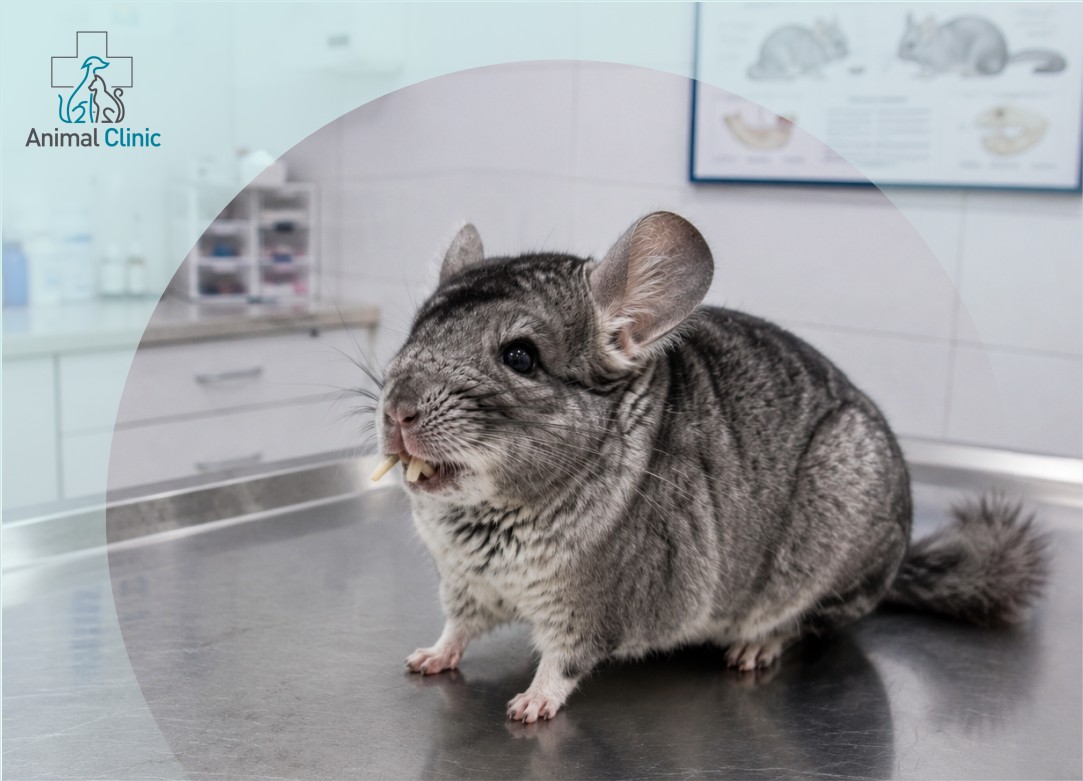
Malocclusion is the improper alignment of the incisors and cheek teeth. It is one of the most common dental disorders in pet rabbits, chinchillas, guinea pigs, and other small rodents. These animals’ teeth grow continuously throughout their lives, at an average rate of 2–3 mm per week, and therefore require constant natural wear through chewing hay and other coarse foods. If this process is disrupted, the teeth become overgrown, injure the oral cavity, cause pain and loss of appetite, and, without treatment, may lead to severe exhaustion and death.
Causes of malocclusion: genetics and diet
Malocclusion may be congenital (genetic) or acquired. The congenital form is associated with abnormal jaw development or an improper bite and most commonly occurs in young animals, particularly dwarf rabbit breeds. Acquired malocclusion usually develops when the diet does not contain enough high-fiber, coarse food. If an animal mainly eats vegetables, fruit, or pellets and does not consume enough hay, the teeth are not worn down properly and begin to overgrow.
Malocclusion in rabbits: symptoms develop gradually. The first signs include reduced appetite, refusal to eat hay and other solid foods, excessive salivation, a wet chin (saliva dermatitis), weight loss, and decreased activity. In severe cases, a rabbit may stop eating completely, which can lead to gastrointestinal stasis, exhaustion, and a life-threatening condition.
Symptoms of malocclusion in chinchillas
In chinchillas, malocclusion often causes excessive salivation, weight loss, refusal to eat hay and other solid foods, worn fur on the inner surfaces of the front legs due to frequent face washing, bad breath, red gums, and facial asymmetry. In advanced cases, elongation of the tooth roots may lead to abscesses, which can appear as swelling beneath the eye or along the lower jaw.
Diagnosis and treatment
Diagnosis is based on a clinical examination of the oral cavity, which is often performed under sedation or anesthesia because rabbits and chinchillas usually do not allow a complete examination of their cheek teeth. Skull X-rays are also required. Dental radiography helps assess the condition of the crowns and tooth roots and detect abscesses and other complications.
Treatment depends on the stage of the condition:
- Dental correction of overgrown teeth using a specialized dental burr. The procedure is performed under anesthesia and is painless for the animal. It may need to be repeated every 4–8 weeks.
- Extraction of affected teeth when clinically indicated.
- Surgical treatment of abscesses followed by appropriate medication.
The exotic pet veterinarian at Animal Clinic specializes in the dental care of rodents and lagomorphs and provides a full range of dental procedures.
Why hay is the most important preventive measure
High-quality hay is the foundation of malocclusion prevention in rodents and lagomorphs. While chewing hay, the animal makes natural side-to-side jaw movements that ensure even tooth wear. For this reason, hay should make up approximately 80–90% of the diet and should always be available. Meadow hay containing a variety of grasses is the best choice for adult animals, while alfalfa should make up no more than 10% of the diet.
Dental care and prevention at home
- Hay should be available 24/7 — never restrict your pet’s access to it.
- Check the incisors regularly: they should be even and meet correctly.
- Monitor your pet’s weight and appetite — sudden weight loss or refusal to eat hay is often one of the first signs of dental problems.
- Schedule a preventive veterinary examination every six months.
- Offer safe branches for chewing, such as apple, willow, or hazel branches.
Frequently asked questions
How often should a rabbit’s teeth be trimmed if it has malocclusion?
The frequency depends on the rate of tooth growth, but the procedure is usually required every 4–8 weeks. The exact interval should be determined individually by a veterinarian. After dental correction, it is important to provide a high-hay diet to slow down recurrent tooth overgrowth. Some animals require lifelong monitoring.
Can I trim my rabbit’s teeth at home?
No. Trimming teeth with scissors, nail clippers, or other household tools can cause tooth fractures, pulp injuries, pain, and infectious complications. Dental correction must only be performed using specialized dental instruments.
Can malocclusion be treated without trimming the teeth?
In the early stages, a proper diet containing plenty of hay may help improve the condition. However, once an improper bite has developed, regular dental correction is often required. Abscesses or tooth root damage may require surgical treatment.
Is malocclusion hereditary?
Yes, some forms of malocclusion are genetic. Animals with confirmed congenital malocclusion should not be used for breeding. When purchasing a rabbit or chinchilla, ask the breeder whether the animal’s parents have had any dental problems.
Is tooth trimming painful for a chinchilla?
The procedure is performed under sedation or anesthesia, depending on the extent of the treatment, so the animal does not feel pain during the procedure. Pain medication may be prescribed afterward if necessary.
My rabbit has stopped eating hay — could its teeth be the cause?
Yes. Refusing hay while remaining interested in soft food is a common sign of dental problems. The animal may still want to eat but avoid solid food because of pain. Contact an exotic pet veterinarian immediately for an oral examination.
How often should a rabbit receive a preventive dental examination?
Healthy animals should receive a preventive dental examination every 6–12 months. If malocclusion has already been diagnosed, the frequency of veterinary visits should be determined individually.
How can I tell if my rabbit has a tooth abscess?
Signs of a tooth abscess include firm swelling on the face or beneath the eye, facial asymmetry, discharge from the nose or eyes, pain, and refusal to eat. Dental abscesses require comprehensive treatment and ongoing veterinary supervision.
Can vitamins help prevent malocclusion?
No. Vitamins cannot prevent malocclusion when the natural process of tooth wear is disrupted. The main preventive measures are a proper diet containing enough hay and regular veterinary examinations.
How can I schedule an appointment for my pet at Animal Clinic?
You can schedule an appointment for a rabbit, chinchilla, or other rodent with an exotic pet veterinarian or dentist at Animal Clinic by calling (044) 333 95 63 or (067) 333 95 63. You can also use the appointment form at animalclinic.ua. The clinic administrator will help you select a convenient time for the examination and treatment.