
- Main
- News and events
- Hyperthyroidism in Cats: A Common Condition in Senior Pets
Hyperthyroidism in Cats: A Common Condition in Senior Pets
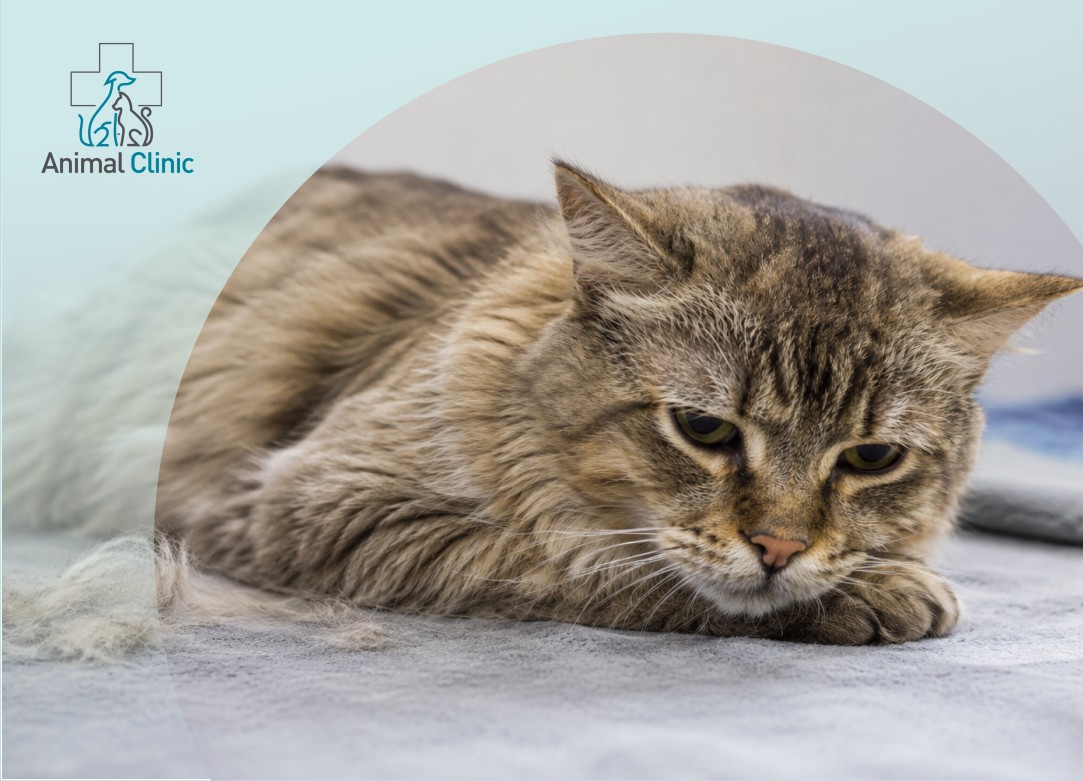
At Animal Clinic, our veterinarians frequently diagnose hyperthyroidism in senior cats. This endocrine disorder occurs when the thyroid gland produces excessive amounts of thyroid hormones, causing the body's metabolism to speed up and disrupting the normal function of multiple organ systems.
What causes hyperthyroidism, what symptoms should you watch for, and how is it treated? Here's what every cat owner should know.
Causes and Symptoms of Hyperthyroidism in Cats
In most cases, hyperthyroidism is caused by a benign thyroid tumor — thyroid adenoma. Much less commonly, the condition results from thyroid cancer. Hyperthyroidism is most often diagnosed in cats over eight years of age.
Common signs include:
- Weight loss despite a normal or increased appetite.
- Increased activity, restlessness, or nervous behavior.
- A rapid heart rate, even while resting.
- Increased thirst and more frequent urination.
- Poor coat quality or excessive shedding.
- Vomiting or diarrhea.
Because hyperthyroidism significantly accelerates metabolism, the body is forced to work harder than normal. Over time, this can lead to weight loss, muscle wasting, and serious complications involving the heart and kidneys.
For attentive pet owners, the signs of hyperthyroidism in cats are often noticeable. If you observe these changes in your cat, schedule a veterinary examination as soon as possible.
How Is Hyperthyroidism Treated?
Diagnosis begins with a comprehensive examination. Your veterinarian will perform blood tests to measure thyroid hormone levels and may recommend additional diagnostic imaging or laboratory tests to rule out other medical conditions.
After evaluating your cat's overall health, age, and any concurrent diseases, a veterinary endocrinologist will develop an individualized treatment plan.
Treatment options may include:
- Medical management. Many cats require lifelong medication that reduces the thyroid gland's production of thyroid hormones.
- Surgery. In some cases, surgical removal of the affected thyroid tissue — or the entire thyroid gland — may be recommended.
Nutritional Support
Dietary management can also play an important role in controlling hyperthyroidism. Some cats benefit from therapeutic diets with restricted iodine content, which helps reduce thyroid hormone production.
Wet food containing high-quality protein is often recommended to support muscle mass while helping maintain proper hydration.
Early Diagnosis Leads to Better Outcomes
When hyperthyroidism is diagnosed and treated early, many cats can continue to enjoy a long, healthy, and comfortable life.
Routine wellness examinations and regular health screenings at Animal Clinic help detect endocrine diseases in their earliest stages, allowing treatment to begin before serious complications develop.