
- Main
- News and events
- Eclampsia (milk fever) in nursing dogs and cats: calcium deficiency after giving birth
Eclampsia (milk fever) in nursing dogs and cats: calcium deficiency after giving birth
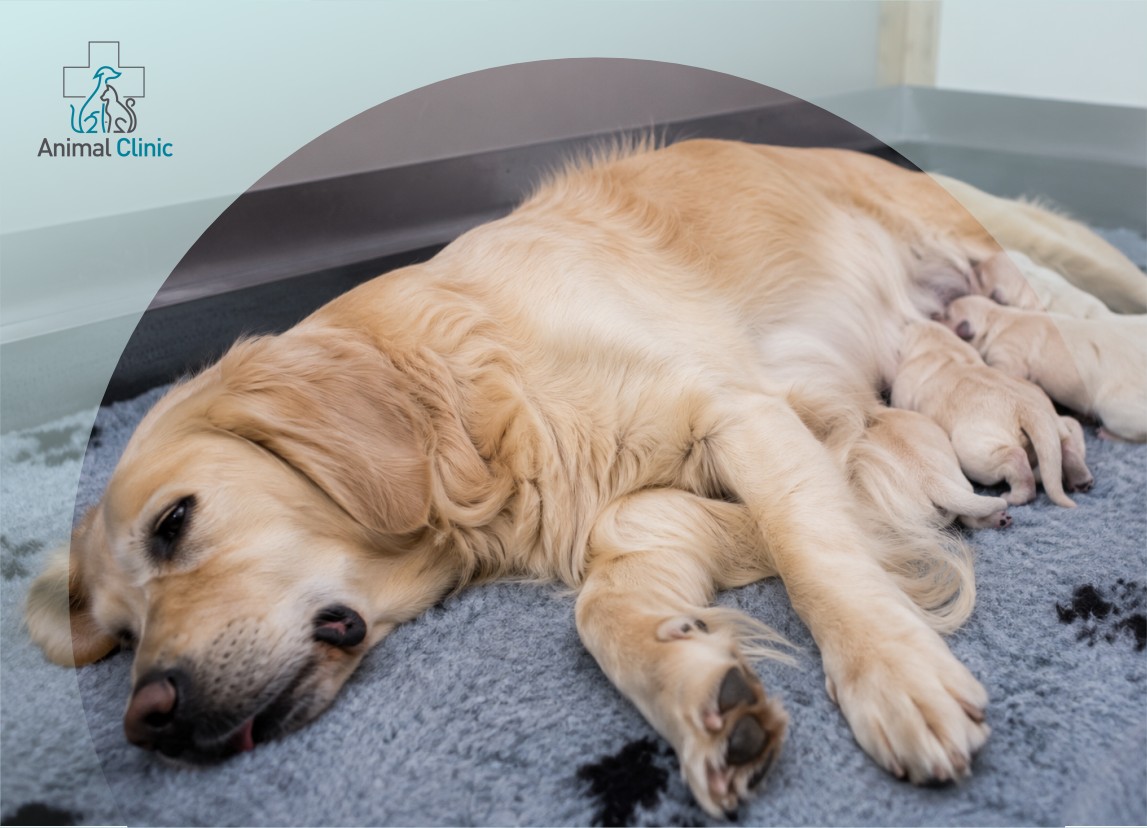
Eclampsia, or milk fever, is an acute condition caused by a sudden decrease in blood calcium levels (hypocalcemia) in nursing females. It is a medical emergency that requires immediate veterinary care. Without treatment, eclampsia can lead to seizures, coma, and death.
Why eclampsia occurs after giving birth
During lactation, large amounts of calcium are used for milk production. If calcium intake from food is insufficient and the mechanisms that mobilize calcium from the bones cannot compensate for the loss, the level of ionized calcium in the blood drops. This leads to impaired neuromuscular function, seizures, and loss of consciousness.
Risk factors
- small dog breeds (Chihuahuas, Toy Terriers, Pomeranians, Yorkshire Terriers);
- large litters (4 or more puppies/kittens);
- peak lactation (2–3 weeks after giving birth);
- an unbalanced diet during pregnancy and lactation;
- a previous history of eclampsia;
- cats are also susceptible, although less commonly than dogs.
Symptoms and stages of eclampsia in dogs and cats
- Initial stage. Restlessness, agitation, rapid breathing, excessive salivation, stiffness of movement.
- Progression. Muscle tremors, tetanic seizures, impaired coordination.
- Critical stage. Generalized seizures, loss of consciousness, hyperthermia, respiratory arrest.
Symptoms can develop within a few hours. At the first signs — tremors, an unsteady gait, or restlessness — contact a veterinary clinic immediately. The prognosis depends on how quickly treatment is provided.
Emergency treatment for eclampsia
Eclampsia requires emergency treatment in a veterinary hospital. The main measures include:
- Slow intravenous administration of calcium gluconate while monitoring the heart rate.
- Sedation or anticonvulsant therapy (diazepam) for severe seizures.
- Monitoring blood calcium, phosphorus, and magnesium levels.
- Oxygen therapy if necessary.
- Temporary interruption of nursing — puppies/kittens are separated from the mother for 12–24 hours and switched to artificial feeding.
After the animal's condition has stabilized, oral calcium supplements and vitamin D3 are prescribed. It is also important to adjust the diet by switching to a specialized food for lactating animals with an increased calcium content.
Can eclampsia be prevented?
Prevention begins during pregnancy:
- a balanced diet containing sufficient calcium and phosphorus;
- specialized food for pregnant and lactating animals;
- calcium supplements should not be given unnecessarily — excess calcium during pregnancy suppresses parathyroid hormone and may trigger eclampsia after giving birth;
- for animals at risk (small breeds, large litters), calcium levels should be monitored 2–3 weeks after giving birth.
How eclampsia differs from other postpartum conditions
Differential diagnosis includes epilepsy, hypoglycemia, intoxication, metritis, and mastitis. Laboratory testing — measuring the level of ionized calcium — is the decisive diagnostic method. In eclampsia, the calcium level falls below 0.8 mmol/L (normal range: 1.0–1.4 mmol/L).
If your pet has recently given birth and you notice the first warning signs, call Animal Clinic immediately. With eclampsia, every hour counts. The veterinarians at our clinic have experience in treating postpartum complications and are available around the clock.
After an episode of eclampsia, spaying is recommended to prevent recurrence following future pregnancies. Animal Clinic's veterinary obstetrics service provides a full range of pregnancy management and postpartum care services.
Frequently asked questions about eclampsia (milk fever) in animals
What is milk fever in dogs?
Milk fever (eclampsia) is an acute condition caused by a sudden drop in blood calcium levels in a nursing female. It causes tremors, seizures, and loss of consciousness and requires emergency veterinary care.
What are the first symptoms of eclampsia in dogs after giving birth?
The first symptoms include restlessness, stiffness of movement, muscle tremors, rapid breathing, excessive salivation, and an unsteady gait. Symptoms may appear suddenly during the second or third week of lactation.
Can cats develop eclampsia?
Yes, although it is less common in cats than in dogs. Small-breed cats and cats with large litters (5 or more kittens) are at increased risk. The symptoms are similar to those seen in dogs.
Can eclampsia be treated at home?
No. Eclampsia is a medical emergency requiring intravenous calcium administration and heart rate monitoring. Treatment should only be provided in a veterinary hospital.
How quickly does eclampsia develop?
Symptoms may worsen within 1–6 hours. Without treatment, the animal may fall into a coma and die from respiratory arrest. Contact a veterinarian immediately at the first signs.
Which dog breeds are most prone to eclampsia?
Small breeds such as Chihuahuas, Toy Terriers, Yorkshire Terriers, Pomeranians, and Dachshunds are most commonly affected, as well as dogs of any breed with large litters.
Can puppies continue nursing after eclampsia?
After the mother's condition has stabilized, nursing can be gradually resumed, but puppies are switched to artificial feeding for the first 12–24 hours. The veterinarian will decide when nursing can resume depending on the severity of the condition.
How can eclampsia be prevented after future pregnancies?
Spaying is recommended after lactation has ended. If another pregnancy is planned, the diet should be carefully managed, specialized food should be used, and calcium levels should be monitored after giving birth.
Can adding calcium to food prevent eclampsia?
Additional calcium during pregnancy may be harmful — it suppresses parathyroid hormone and disrupts the mechanisms responsible for mobilizing calcium from the bones. Calcium supplements should only be given when prescribed by a veterinarian.
What tests confirm eclampsia?
The diagnosis is confirmed by measuring the level of ionized calcium in the blood. The normal range is 1.0–1.4 mmol/L. In eclampsia, the level falls below 0.8 mmol/L. Phosphorus and magnesium levels are also monitored.
How can I make an appointment at Animal Clinic?
If you suspect eclampsia, call Animal Clinic immediately at (044) 333 95 63 or (067) 333 95 63 — our veterinarians will provide emergency care. For a routine consultation, you can also make an appointment through the website.