
- Main
- News and events
- Why Is My Dog Limping? Possible Causes
Why Is My Dog Limping? Possible Causes
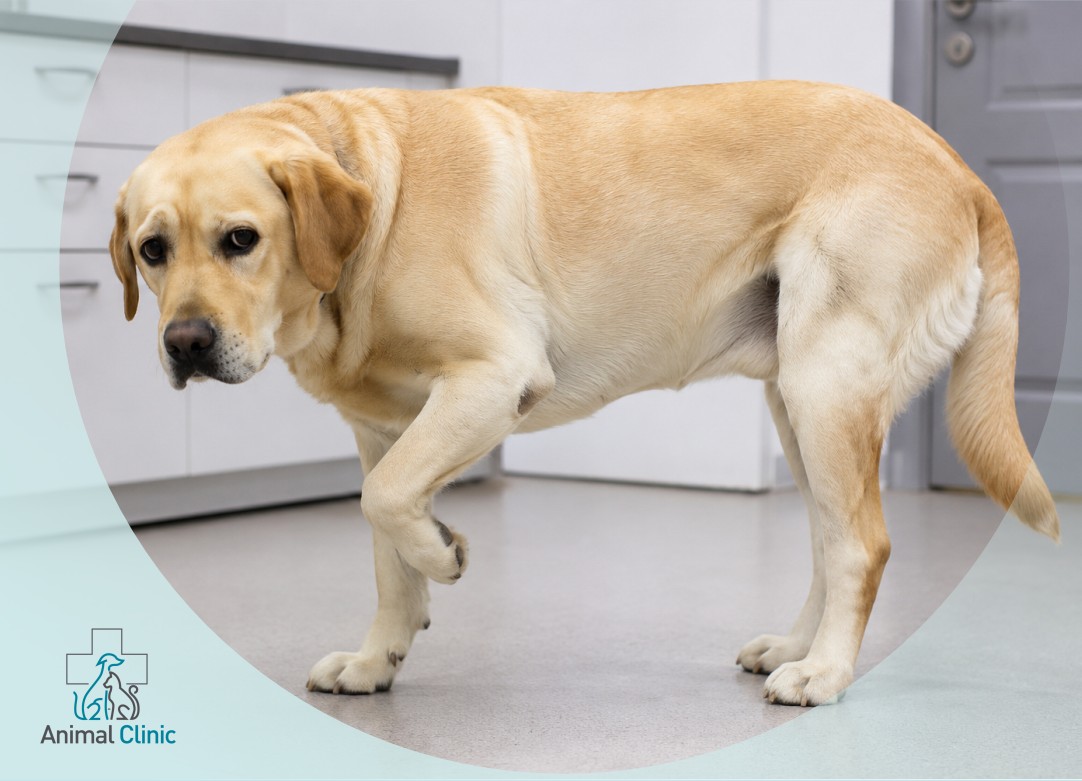
Have you noticed your pet moving less, barely putting weight on one leg, or constantly holding it up or licking it? These symptoms shouldn't be brushed off. When a dog limps on one leg, it can point to anything from a minor injury to a serious underlying condition. Below, the specialists at Animal Clinic walk through the most common causes.
Why Is My Dog Limping? Possible Causes
- Limb Injury. Dogs are often so active during walks and playtime that sprains, dislocations, and bruises are common. A bad jump, a fall, or a collision — whether from a car accident or another incident — can even fracture a bone. This is why an injured dog may refuse to bear weight on the leg, whimper, or act unusually anxious.
- Nail Injuries. Regular nail trims aren't just for looks. Overgrown nails can interfere with walking and cause real pain with every step. A cracked or ingrown nail is another common culprit, and these usually require professional care to resolve safely.
- Stepping on a Sharp Object. Limping frequently develops after a dog steps on something sharp — a nail, a needle, or a plant awn. Small foreign objects can even become lodged in the paw pad and cause ongoing pain. Cuts from broken glass are another common issue during outdoor activity.
- Hip and Joint Dysplasia. Hip, elbow, and knee dysplasia are hereditary conditions especially common in large dog breeds. An unbalanced diet, rapid growth in puppies, or excessive physical strain can all speed up its progression. Over time, joint dysplasia can significantly limit a dog's mobility.
- Arthritis (Joint Inflammation). Arthritis in dogs is more common in senior pets, but younger animals can develop it too as a result of infection, injury, or genetic predisposition. Large breeds are especially prone to arthritis because of the added strain on their joints. Watch for signs like reluctance to get up after resting, difficulty jumping onto furniture, limping after rest, and licking at a painful joint.
- Neurological Issues. Sometimes a dog won't put weight on a leg because of a problem with the nervous system. In these cases, limping can stem from a spinal injury, a neurological disorder, or a pinched nerve.
- Excess Weight. Obesity puts extra strain on a dog's joints and ligaments, leading to faster fatigue and a much higher risk of developing musculoskeletal problems over time.
- Cancer. In some cases, limping is caused by a bone or joint tumor. The lameness tends to worsen gradually, and a thickened, painful lump may appear on the affected limb.
When Should You See a Veterinarian?
If your dog is not putting weight on a leg for more than a day or two, don't ignore it. See an orthopedic veterinarian right away if you notice any of the following additional signs:
- Bleeding.
- Noticeable swelling or a change in the limb's color.
- Loss of appetite, weakness, or lethargy.
- Intense pain, shown through prolonged whimpering.
- Elevated body temperature.
Advanced diagnostic imaging at Animal Clinic can quickly identify musculoskeletal problems. If needed, our orthopedic veterinarian will recommend further testing to determine the exact cause of your dog's limping. Staying alert and responding promptly to these changes can make all the difference — and may even save your pet's life.