
- Main
- News and events
- Brachycephalic Syndrome: Why Pugs, French Bulldogs, and Shih Tzus Snort, Snore, and Struggle to Breathe
Brachycephalic Syndrome: Why Pugs, French Bulldogs, and Shih Tzus Snort, Snore, and Struggle to Breathe
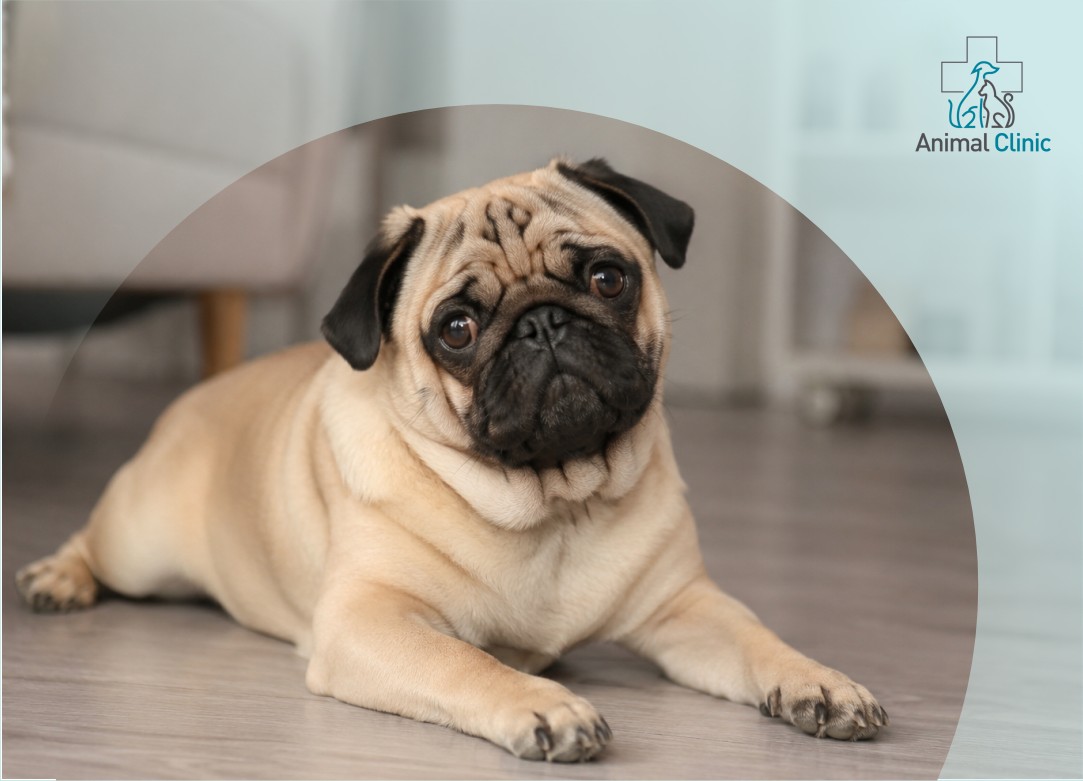
Pugs, French and English Bulldogs, Shih Tzus, Pekingese, and Boston Terriers are incredibly popular because of their endearing flat faces. However, behind their cute appearance there is often a serious airway disorder — brachycephalic syndrome. Here we explain how to recognise the problem and why nostril surgery can save a dog's life.
What is brachycephalic syndrome?
Brachycephalic syndrome is a group of anatomical airway abnormalities caused by a shortened skull shape. It includes three main components:
- Stenotic nares — narrowing of the nasal passages that makes it difficult for the dog to inhale;
- Elongated soft palate — excess tissue that partially obstructs the entrance to the larynx;
- Everted laryngeal saccules — the mucous membrane is “sucked” into the airway, making breathing more difficult.
Symptoms of brachycephalic syndrome
Owners often perceive snorting, noisy breathing, and snoring as a “cute breed characteristic.” In reality, these are signs of respiratory insufficiency. Warning signs include:
- Snoring during sleep (louder than in other dogs);
- Snorting and noisy breathing at rest;
- Shortness of breath after minimal exertion;
- Breathing with the mouth open and tongue extended;
- Rapid fatigue during walks;
- Fainting or collapse after overheating or stress;
- Choking or gagging while eating or drinking.
Why brachycephalic dogs cannot tolerate heat
Dogs of these breeds cool themselves poorly through their nasal passages because narrowed nostrils do not allow enough airflow for effective thermoregulation. In hot weather, a pug or bulldog can develop heatstroke within minutes. Avoid walks when the temperature is above +25°C, always carry water, and never leave the dog in a car.
Nostril surgery in dogs: when is an operation needed?
If respiratory insufficiency reduces quality of life, surgery is recommended. Surgery for brachycephalic syndrome includes correction of the nostrils (nostril surgery) and resection of the elongated soft palate. The procedure is performed under general anaesthesia, taking the high anaesthetic risk into account. Our clinic uses inhalation anaesthesia with continuous monitoring of vital signs, which helps minimise risks.
Diagnosis of the syndrome
The initial examination includes auscultation of the lungs and assessment of the nasal passages and larynx. The gold standard is endoscopic examination under sedation, during which the veterinarian assesses the severity of nostril stenosis, the length of the soft palate, and the condition of the larynx. Chest radiography and pulse oximetry may also be required.
Conservative treatment
In mild cases, or in preparation for surgery, the following may be prescribed:
- Anti-inflammatory medication to reduce swelling of the mucous membranes;
- Bronchodilators;
- Oxygen therapy;
- Weight management — obesity significantly worsens the symptoms.
A full course of medical therapy cannot correct the anatomical defect; surgery remains the only definitive treatment.
Life after surgery
After nostril surgery and soft palate resection, dogs stop snoring, begin to breathe freely through the nose, become much more active, and tolerate heat better. Recovery takes 2–3 weeks, during which physical activity should be restricted and the dog should be fed soft food. In the long term, quality of life improves by 80–90%.
Frequently asked questions about brachycephalic syndrome in dogs
Which dog breeds are prone to brachycephalic syndrome?
Pugs, French and English Bulldogs, Shih Tzus, Pekingese, Boston Terriers, Cavalier King Charles Spaniels, and Griffons.
Is snoring dangerous in a pug?
Yes. Snoring may indicate narrowing of the airways and requires diagnostic assessment. It should not be considered normal.
When does a dog need nostril surgery?
When narrowed nostrils cause shortness of breath, snoring, fainting, or heatstroke. Surgery is recommended after endoscopic assessment.
Can brachycephalic syndrome be treated without surgery?
Conservative treatment can relieve symptoms but cannot correct the anatomical defect. Surgery is the definitive solution.
What type of anaesthesia is used for nostril surgery?
Inhalation anaesthesia with continuous monitoring of pulse, oxygen saturation, and blood pressure is used. Brachycephalic dogs are high-risk patients, so anaesthetic support must be as safe as possible.
How long does recovery after surgery take?
Recovery takes 2–3 weeks. Swelling and discomfort may occur during the first few days, while complete healing usually takes about one month.
Do dogs still snore after nostril surgery?
In most cases, snoring disappears or becomes significantly quieter after surgery.
How is brachycephalic syndrome diagnosed?
It is diagnosed through endoscopy under sedation, radiography, and clinical examination.
Can the condition be left untreated if the dog seems well?
Symptoms progress with age, especially if the dog gains weight. Early surgical intervention helps prevent complications.
Is surgery on both nostrils necessary?
Yes. Both nostrils are usually corrected during the same procedure.
How can I help a brachycephalic dog in hot weather?
Avoid walks in hot weather, use cooling mats, and always keep water available. If overheating occurs, seek veterinary care immediately.
How can I book an appointment at Animal Clinic?
You can call (044) 333 95 63 or (067) 333 95 63, use the appointment form on the website, or visit the clinic in person.